BACK
TO TOP
10 Jun 2026
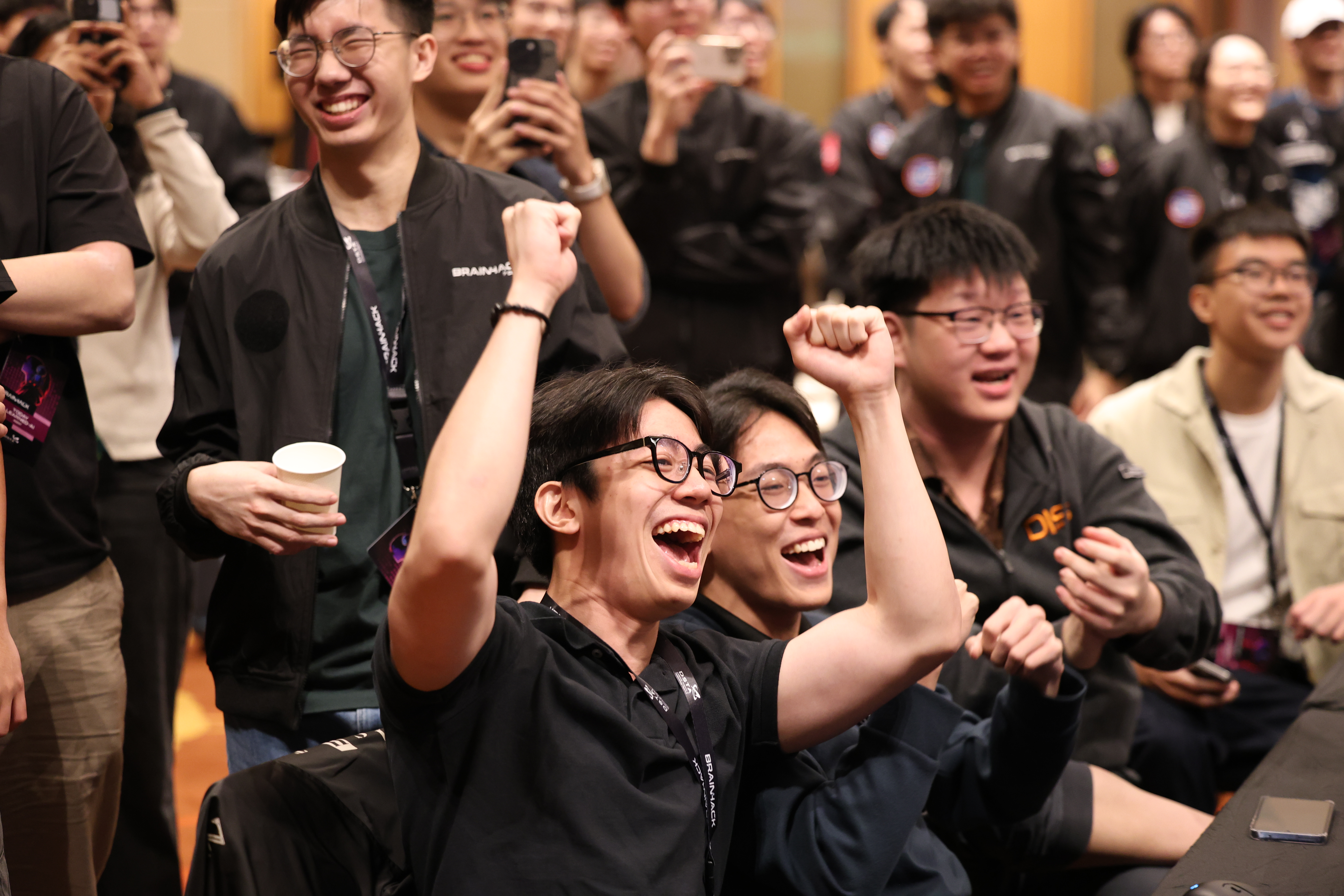
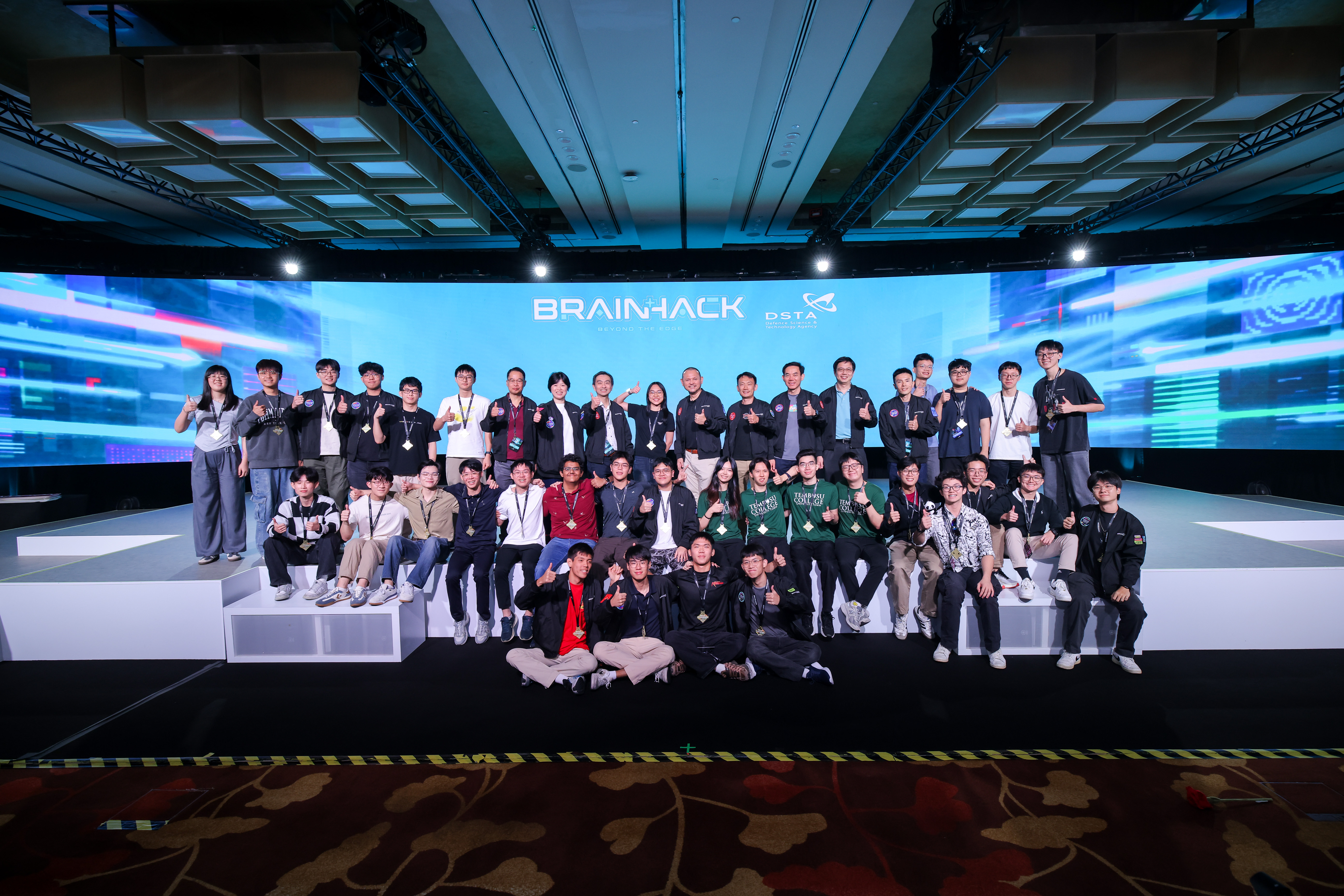
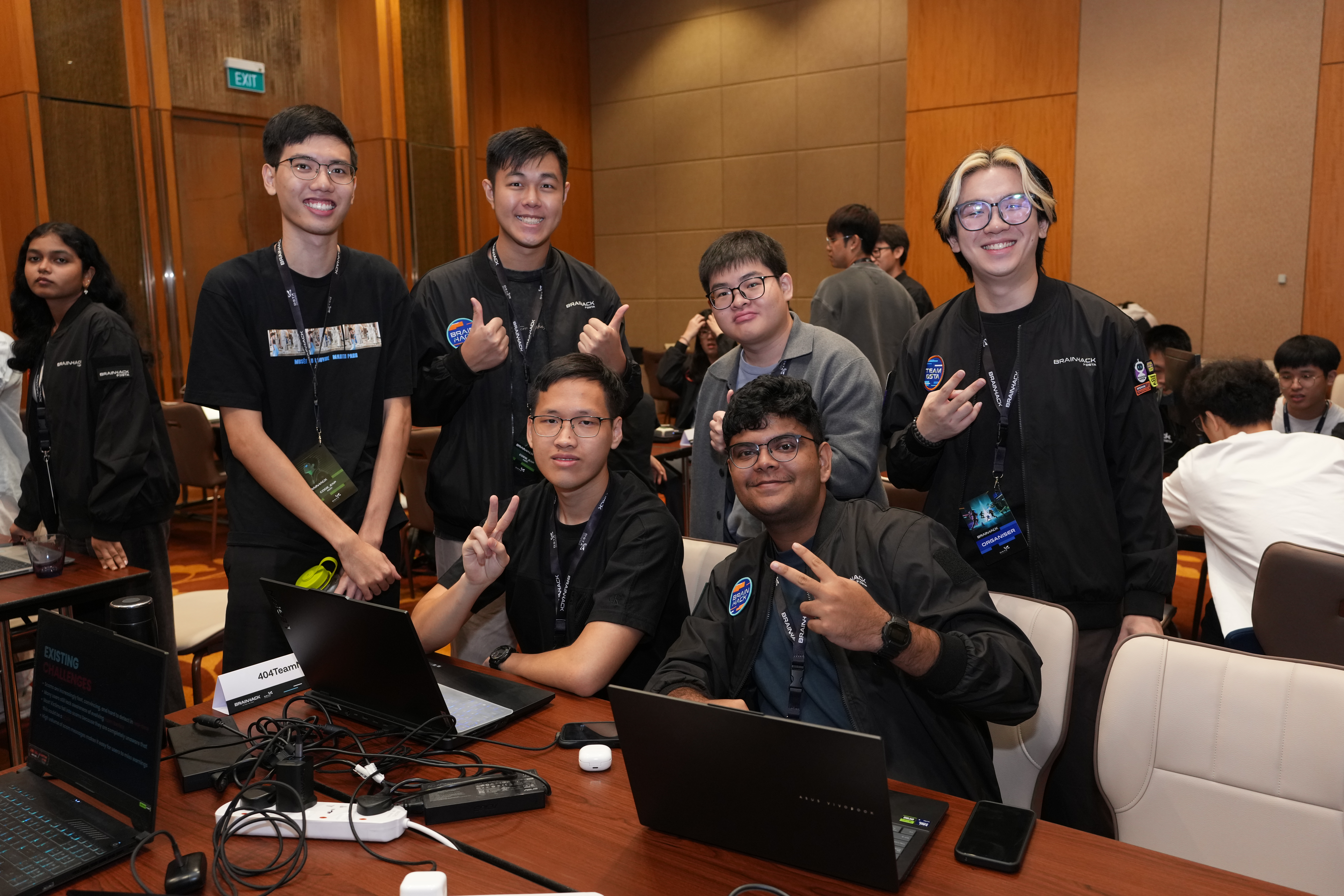
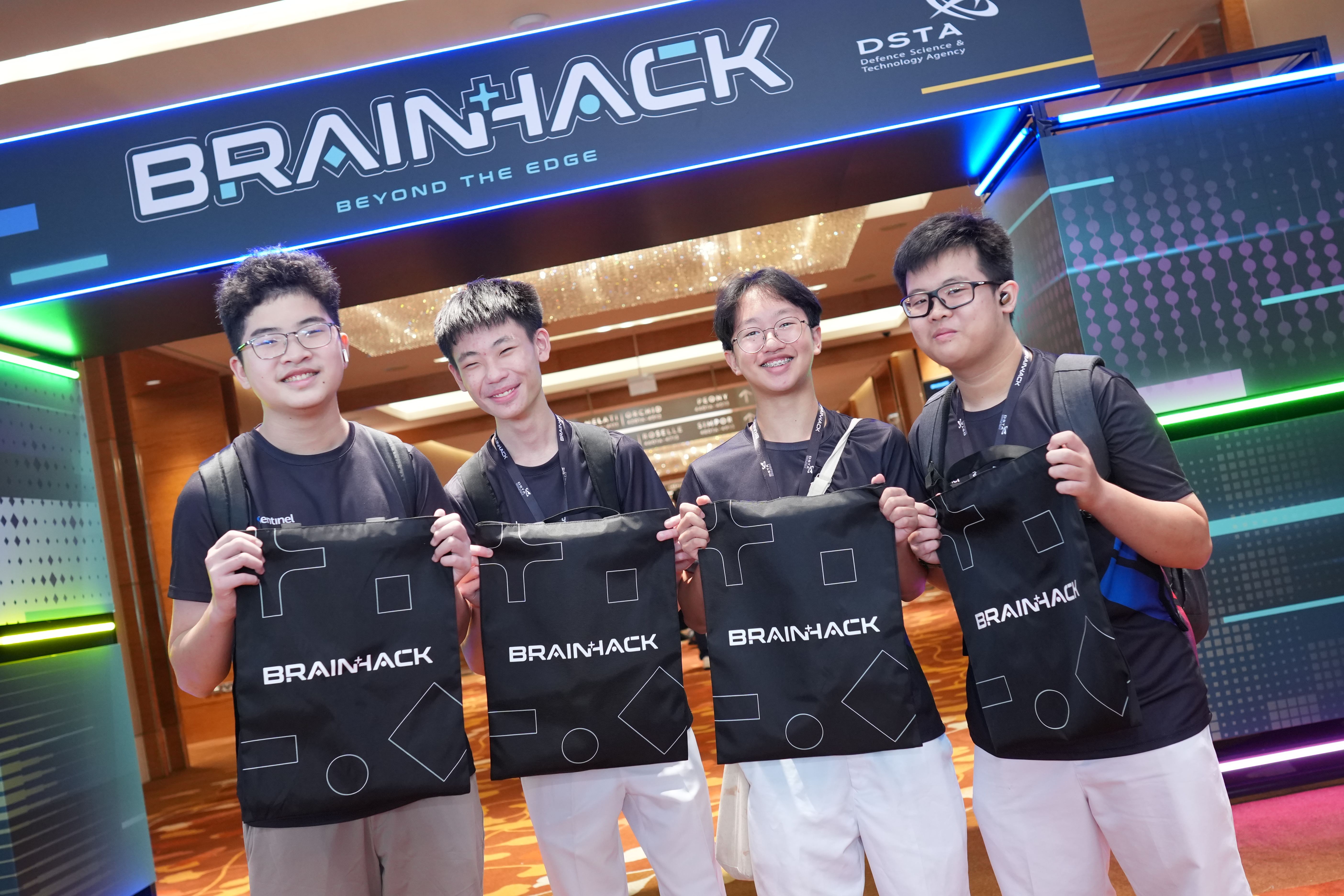
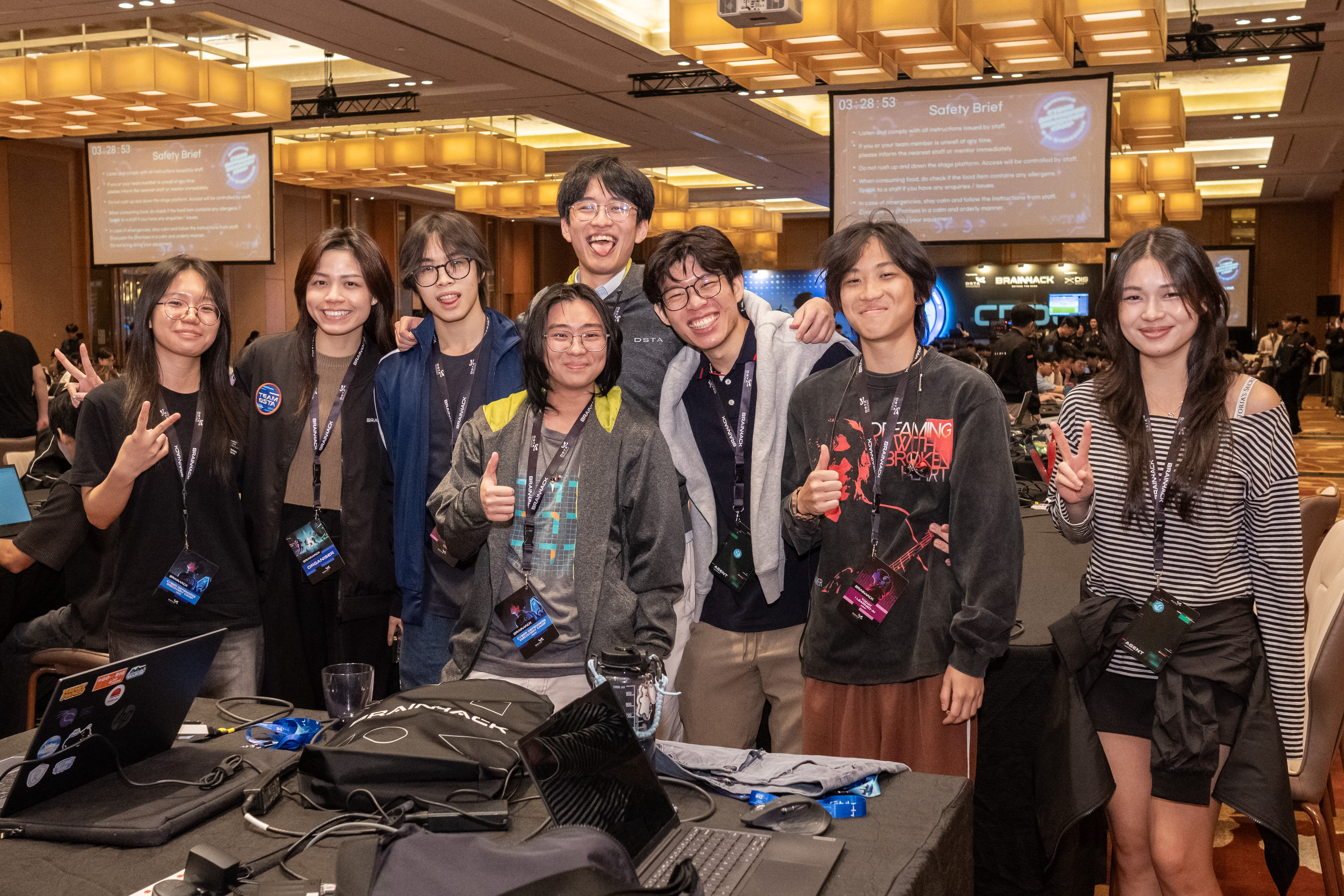
DSTA's annual learning festival, BrainHack, returned for its eighth edition this year, bringing together more than 4,500 students eager to explore the possibilities of emerging technologies.
Centred on the theme "Beyond The Edge", BrainHack 2026 encouraged participants to venture beyond familiar boundaries, experiment with new ideas and uncover innovative ways to tackle real-world challenges. Through a series of competitions, workshops and technology showcases, students gained first-hand experience in fields ranging from artificial intelligence (AI) and cybersecurity to robotics, software development and space technology. These activities offered a glimpse into how DSTA technologists solve complex defence challenges and safeguard Singapore's future.
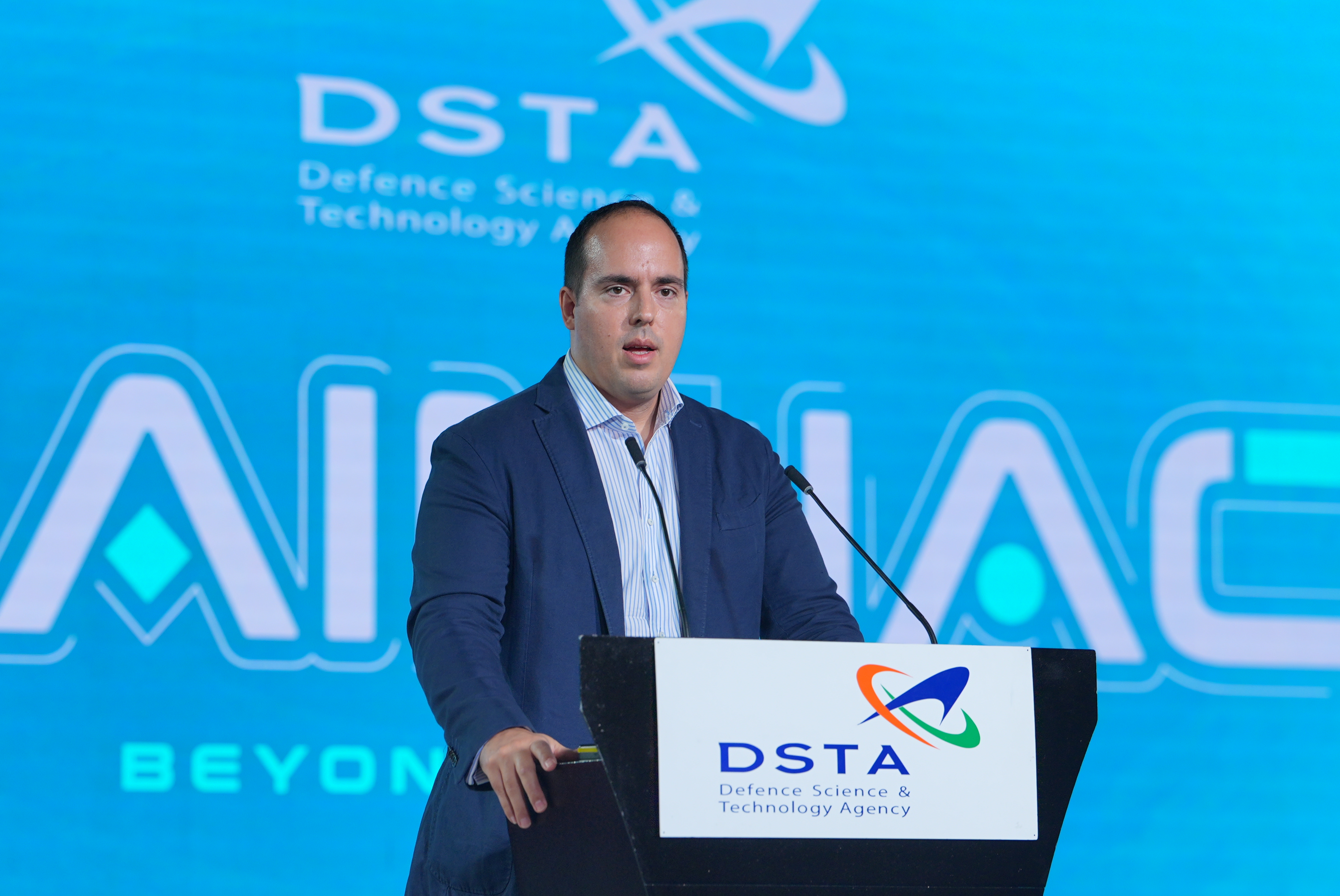
Speaking as the Guest-of-Honour at the BrainHack awards ceremony, Senior Minister of State for Defence Mr Zaqy Mohamad highlighted the importance of initiatives like BrainHack in inspiring the next generation of defence innovators. He said: "BrainHack plays a vital role by giving students hands-on opportunities to explore the diverse technologies shaping our future defence capabilities. Through this, we hope that students will gain an appreciation of the challenging problems faced by our defence engineers and our troops on the ground."
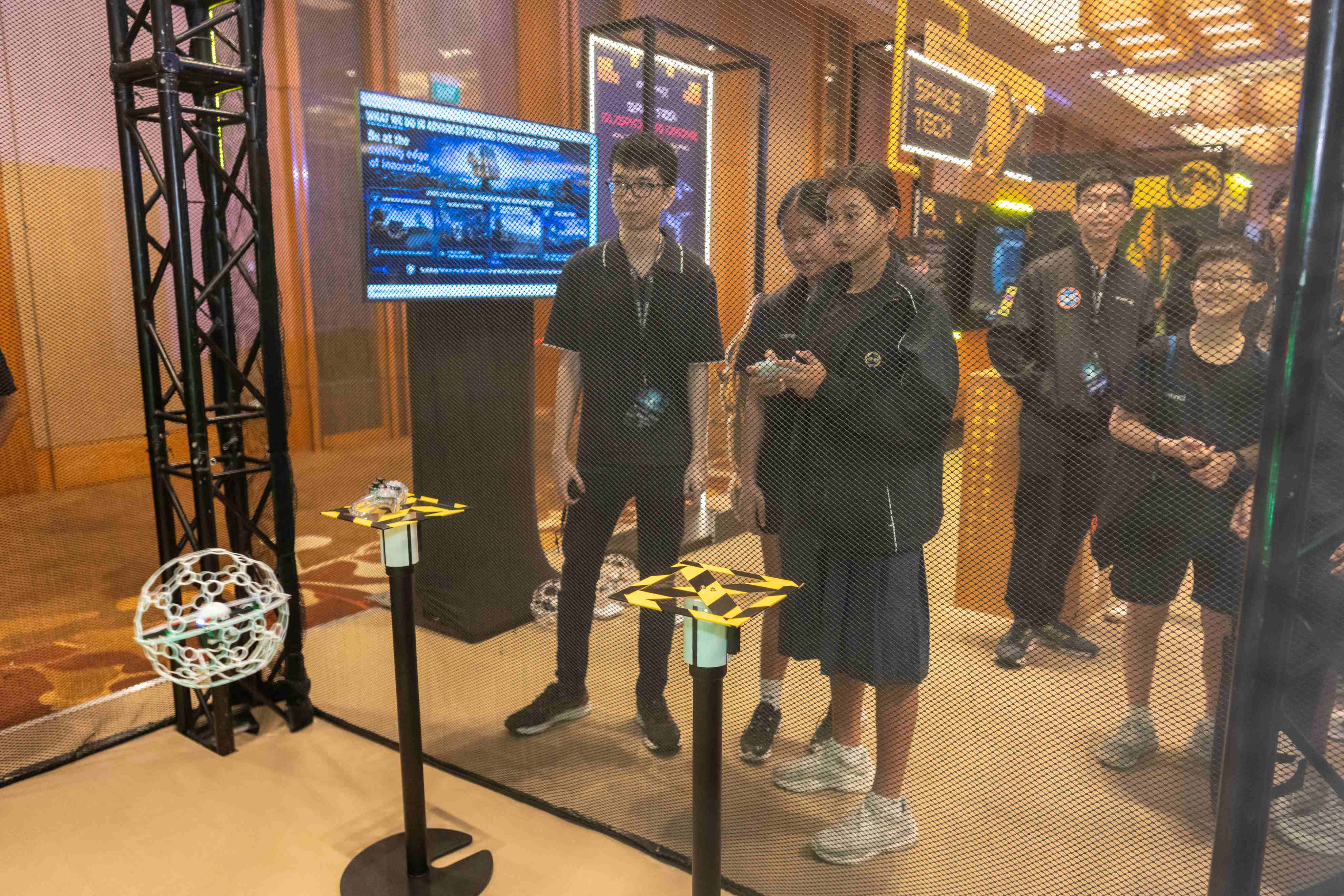
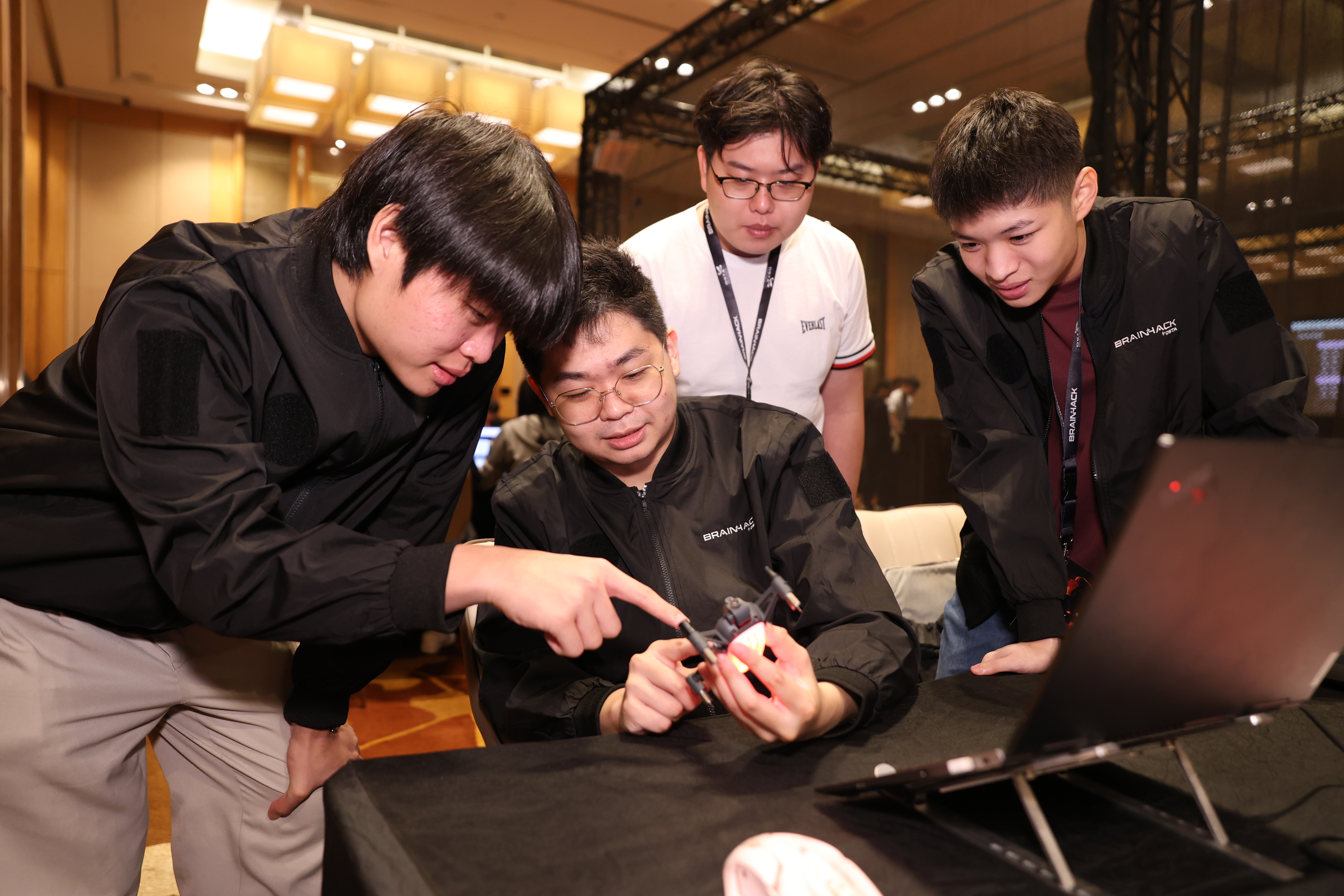
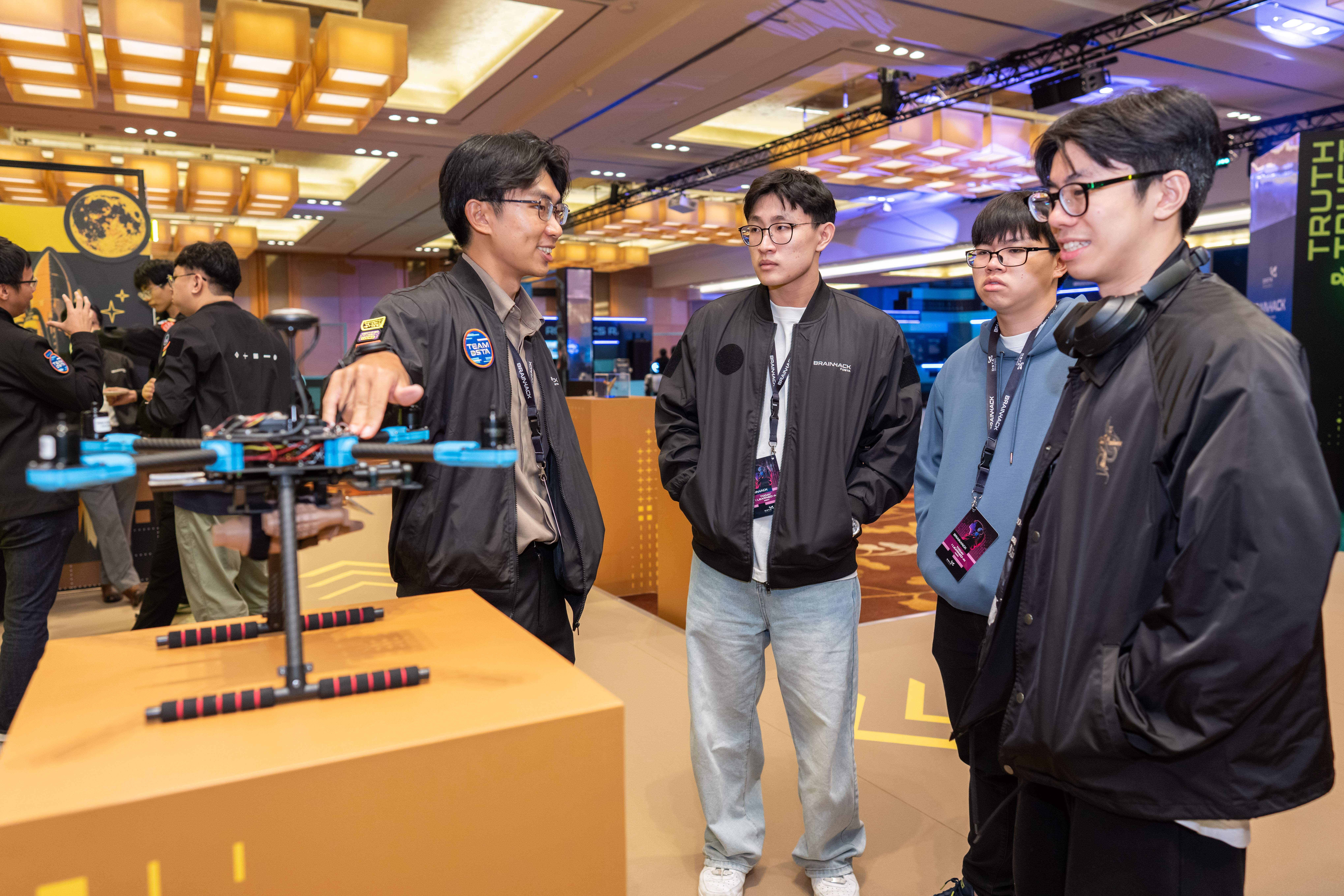
One of the many exciting activities at BrainHack was a “drone versus counter drone” challenge.
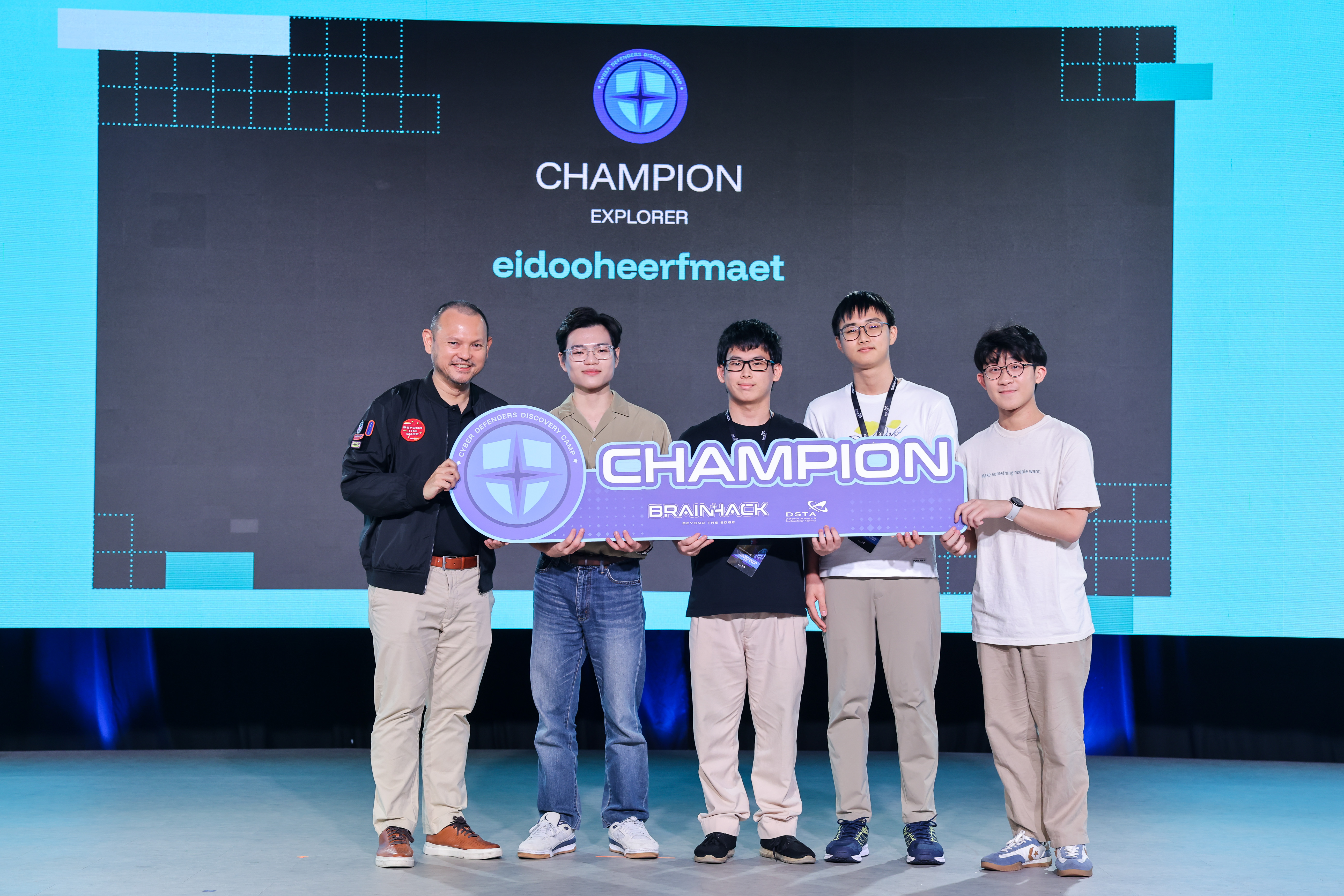
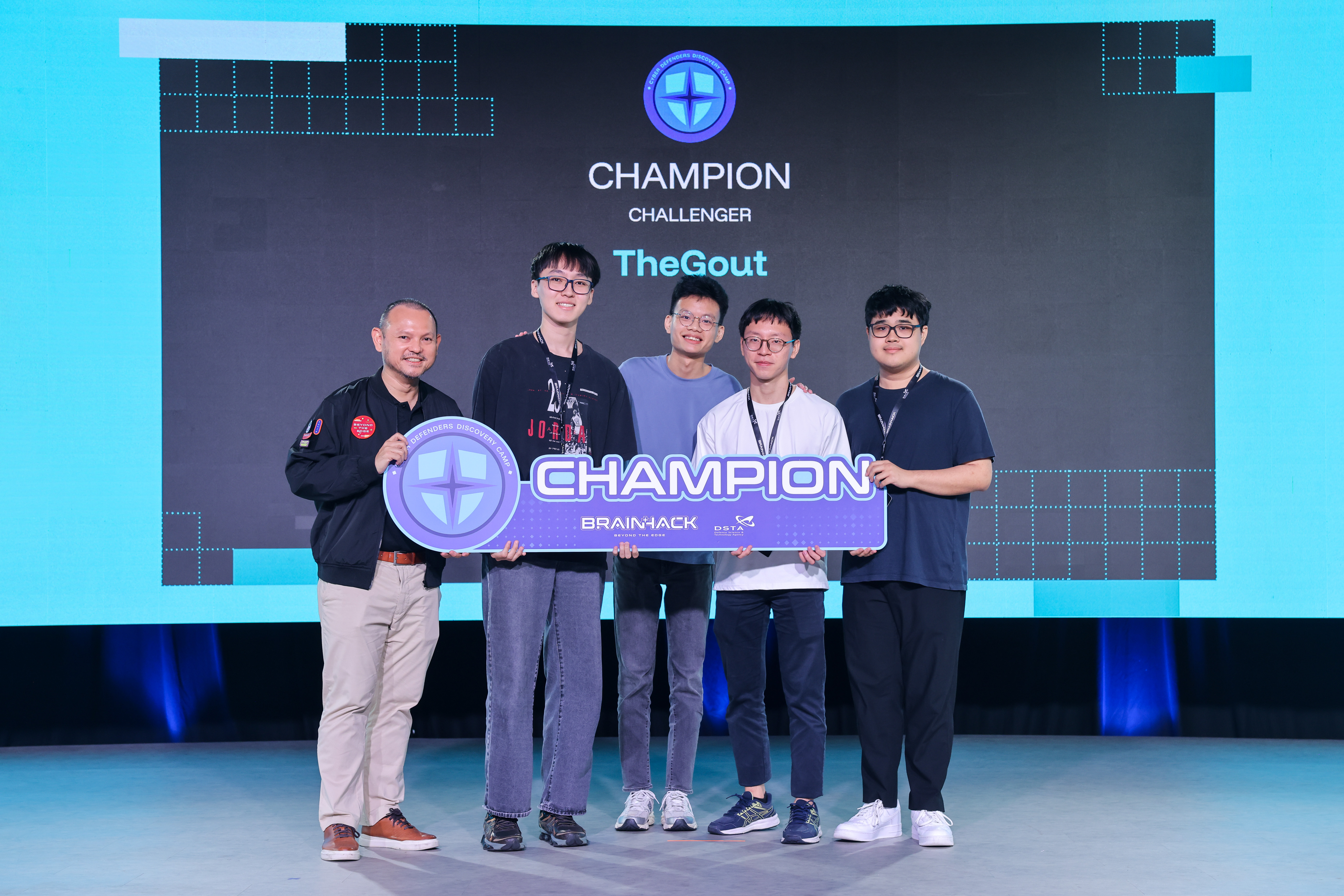
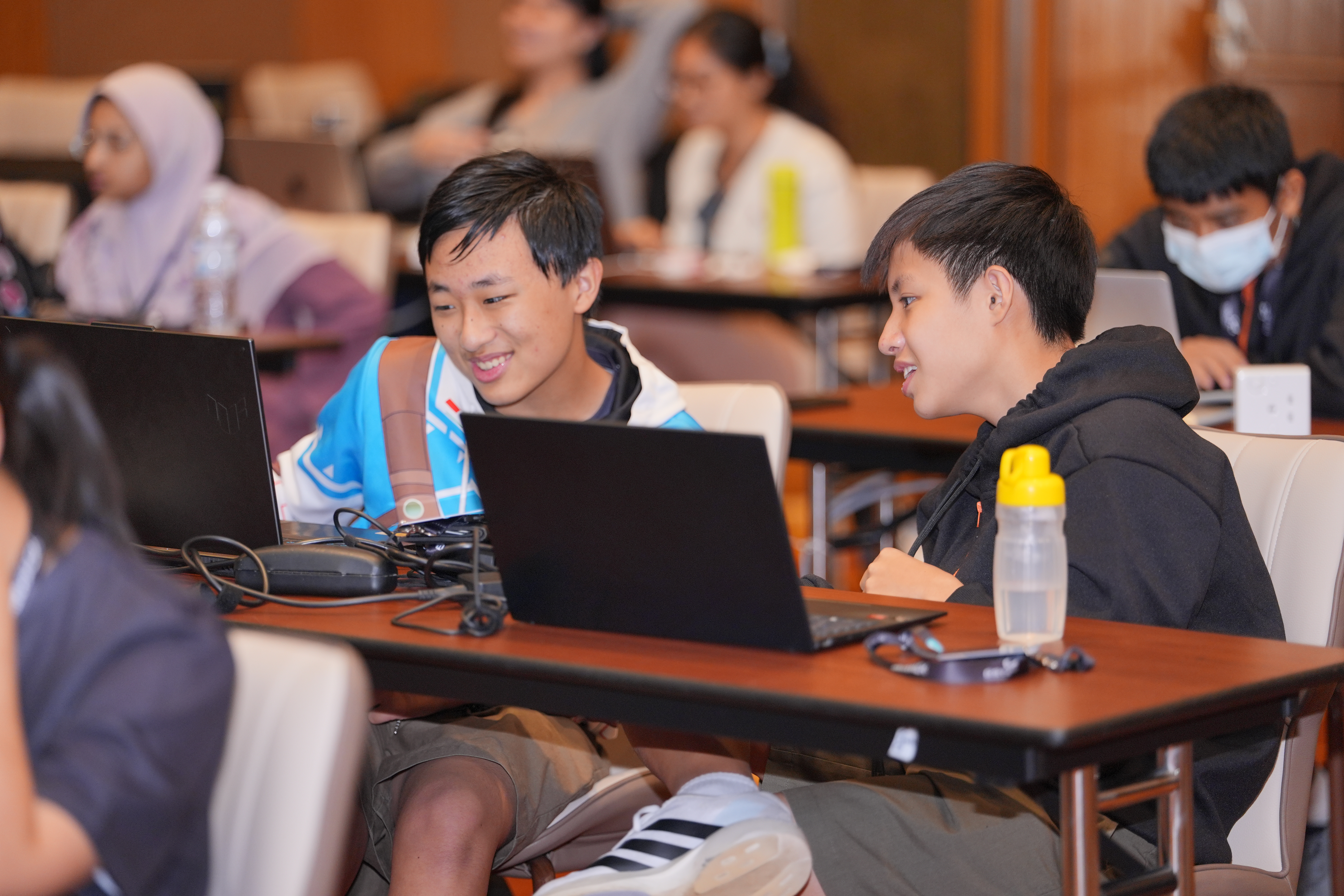
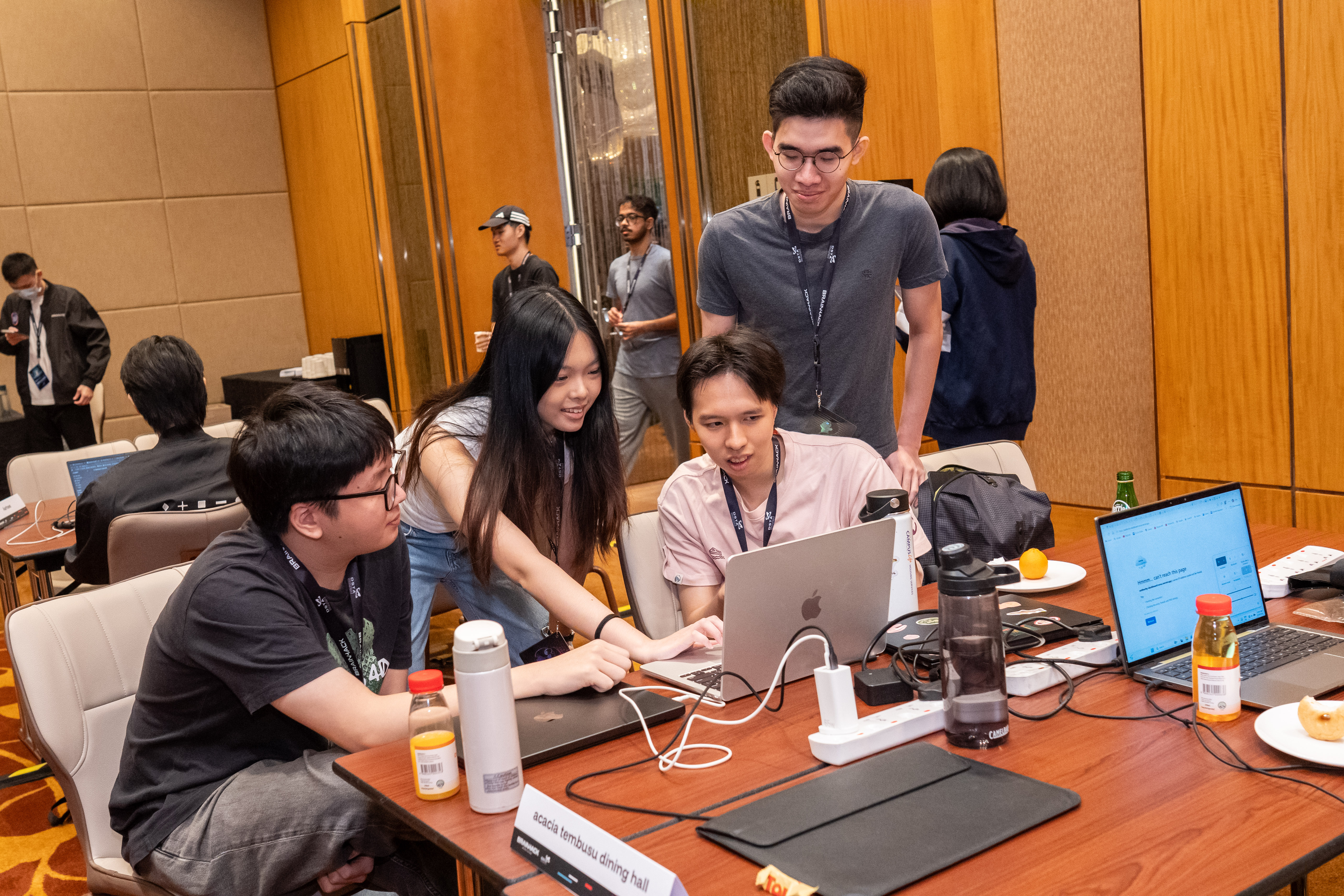
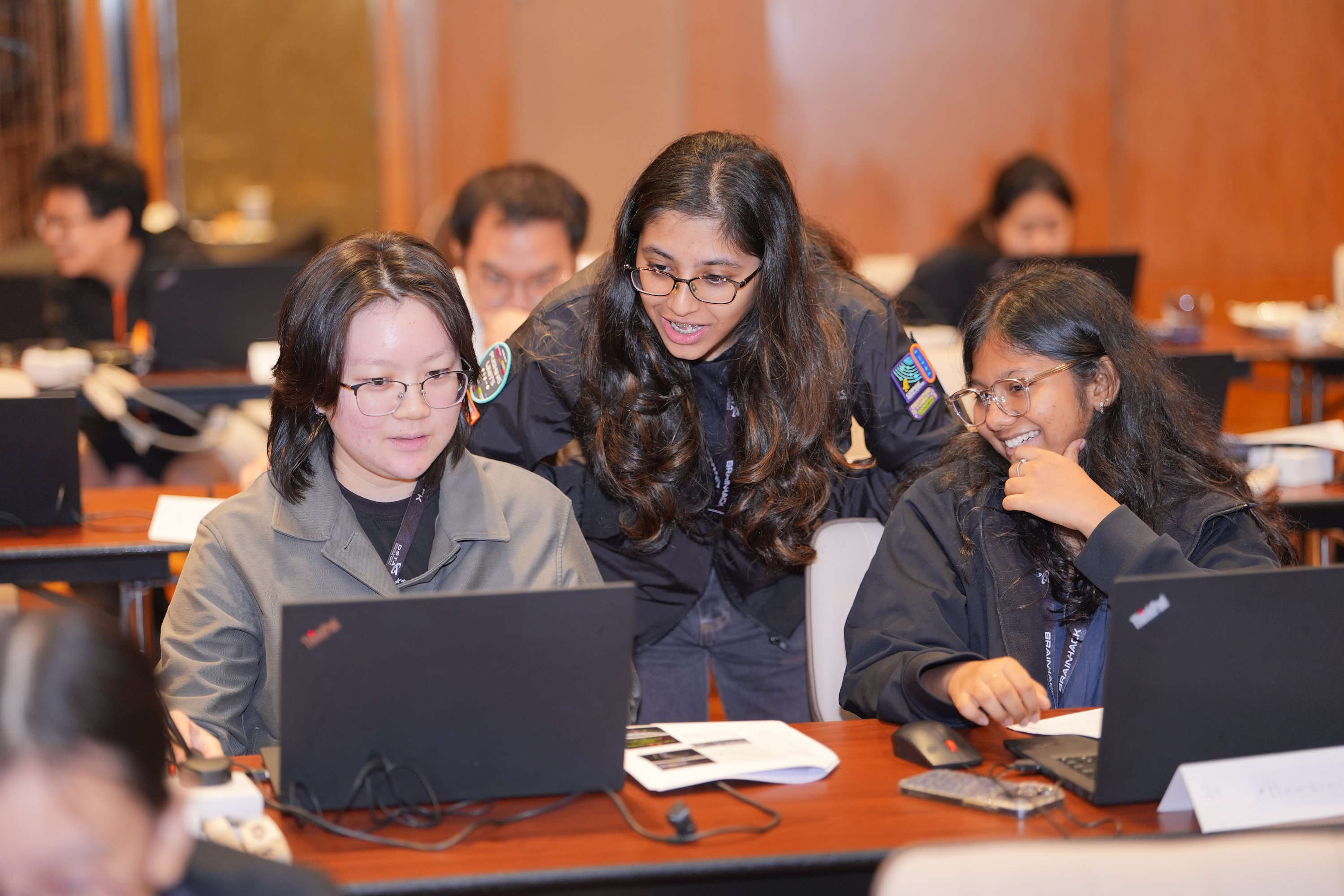
For many participants, the journey began with BrainHack's competitions, where they tackled challenges inspired by operational defence applications. At the Cyber Defenders Discovery Camp (CDDC), students navigated a series of cybersecurity challenges through virtual training and an online Capture-The-Flag qualifier before top teams advanced to the physical finale.
Hrithikram, a participant at CDDC and a student at the Jurong Pioneer Junior College, shared, “BrainHack allows me to test my cybersecurity skills and get hands-on on both online and hardware challenges, which helped to hone my skills. I also got to learn about AI and robotics at the Tech Showcase booths.”
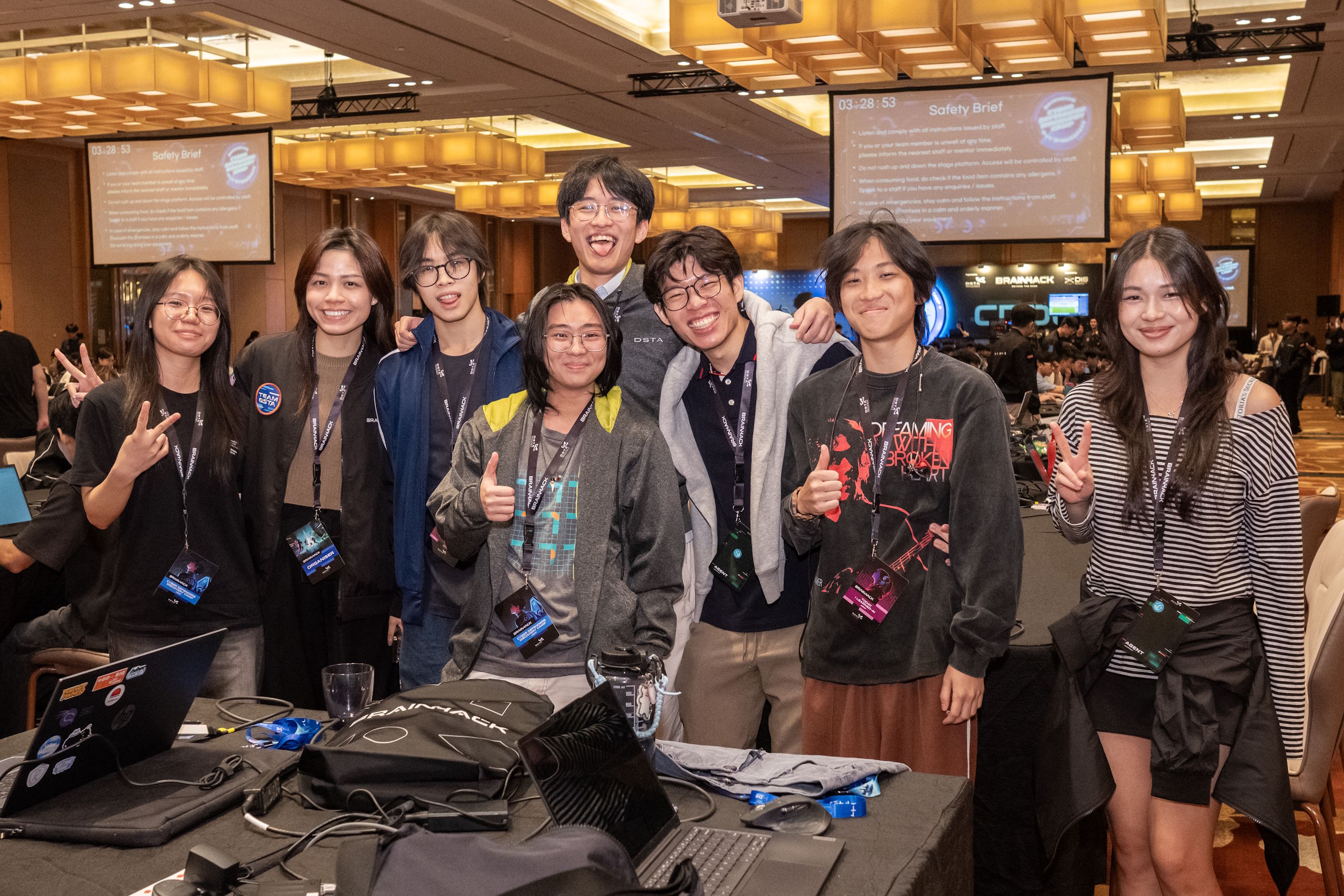
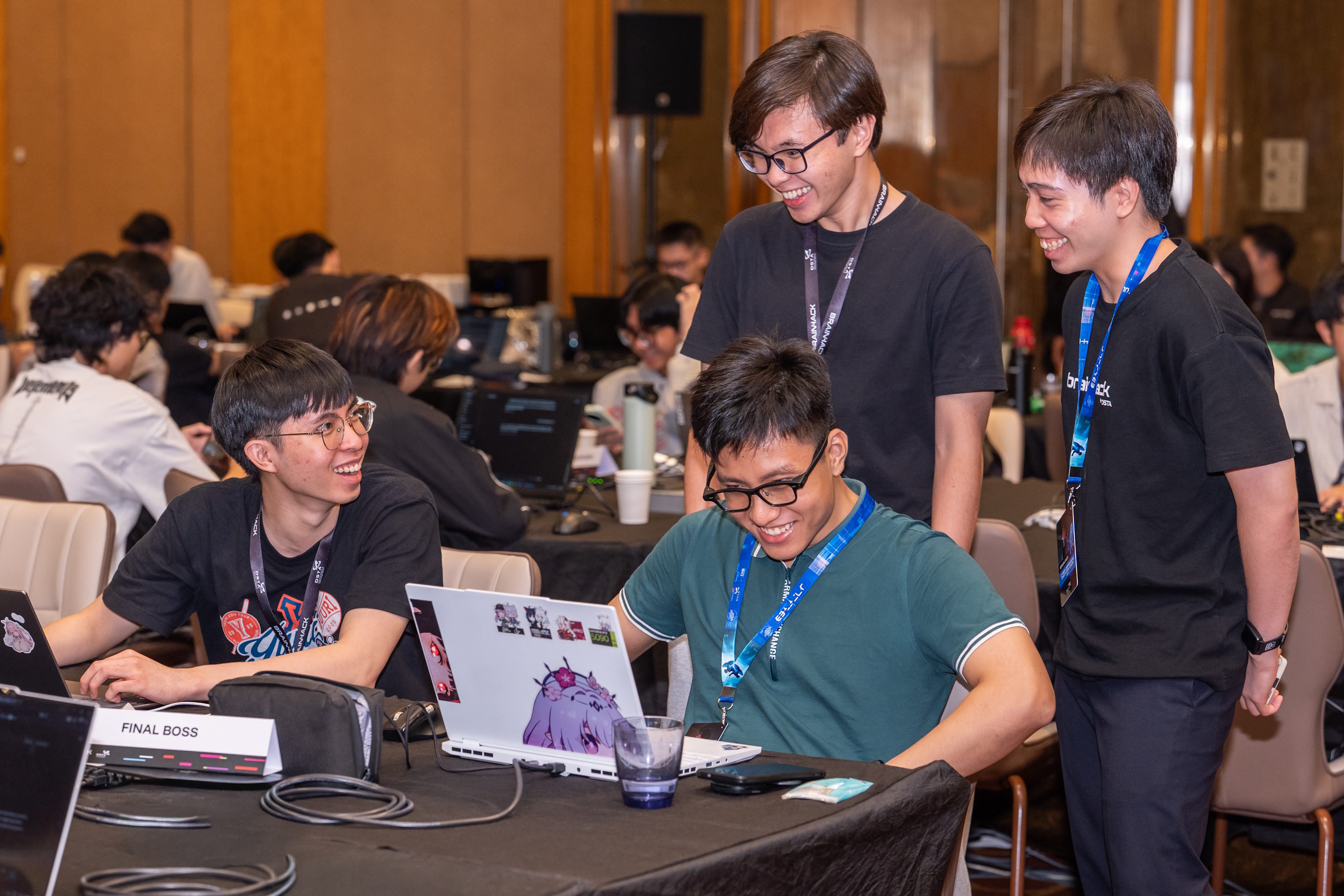
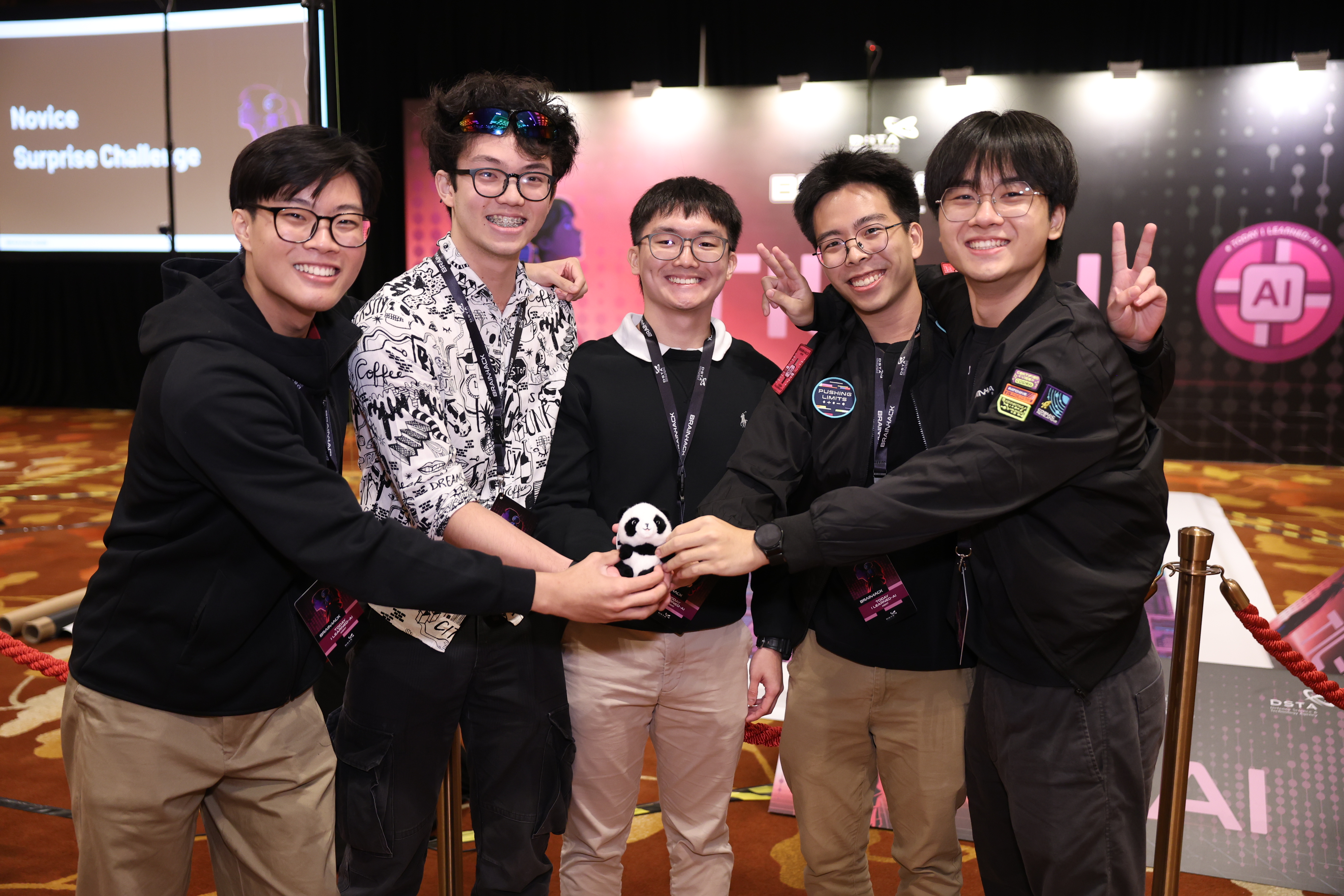
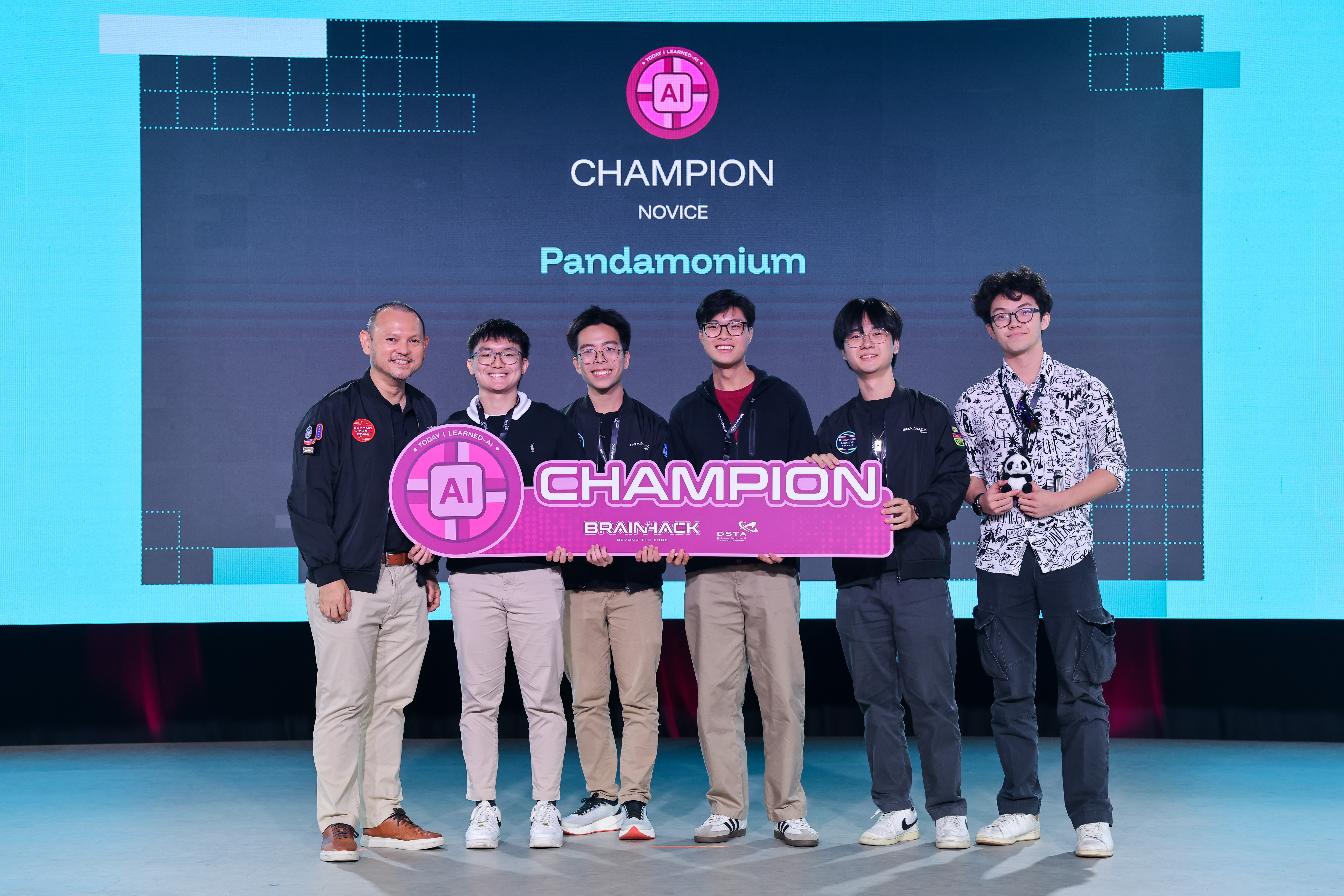
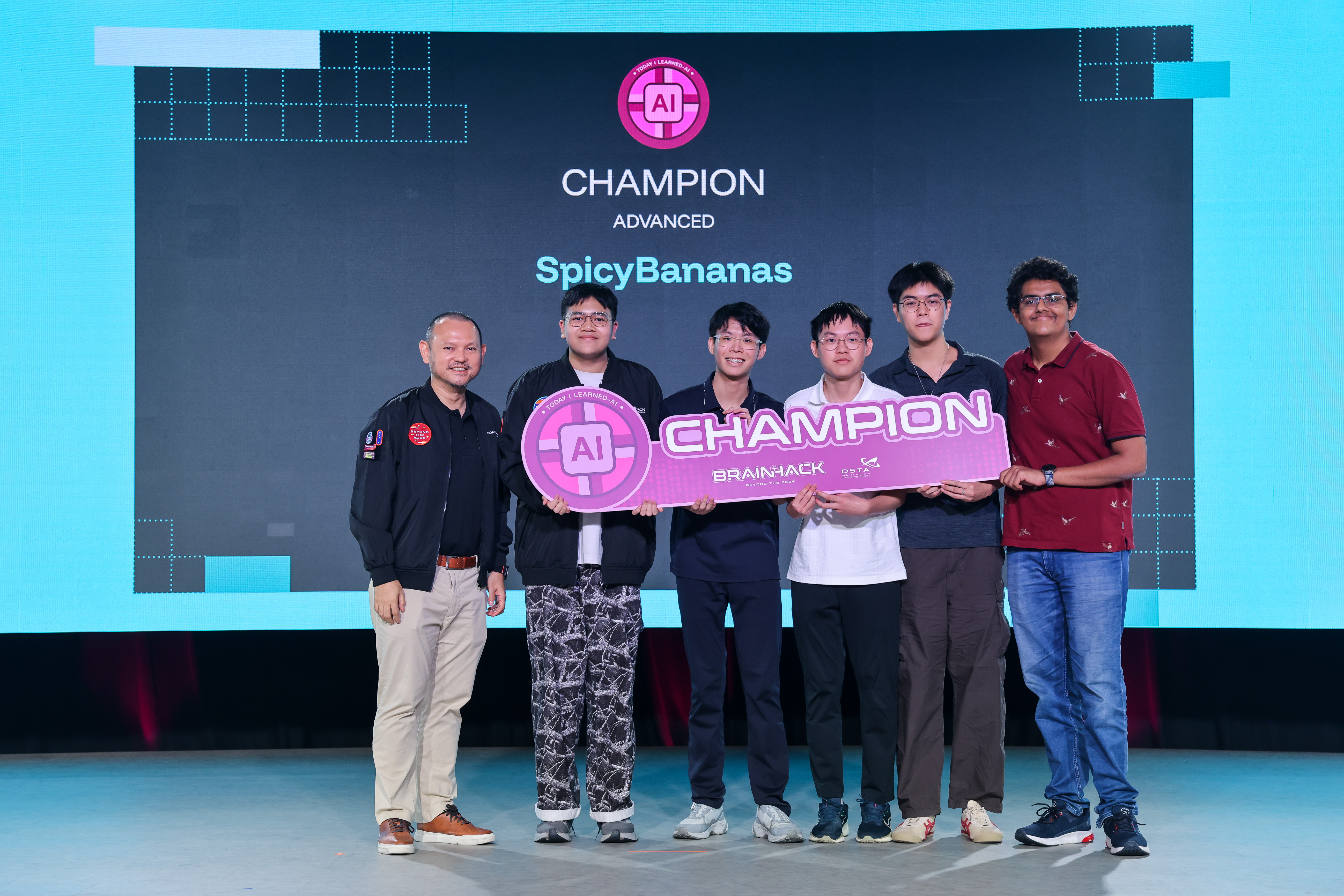
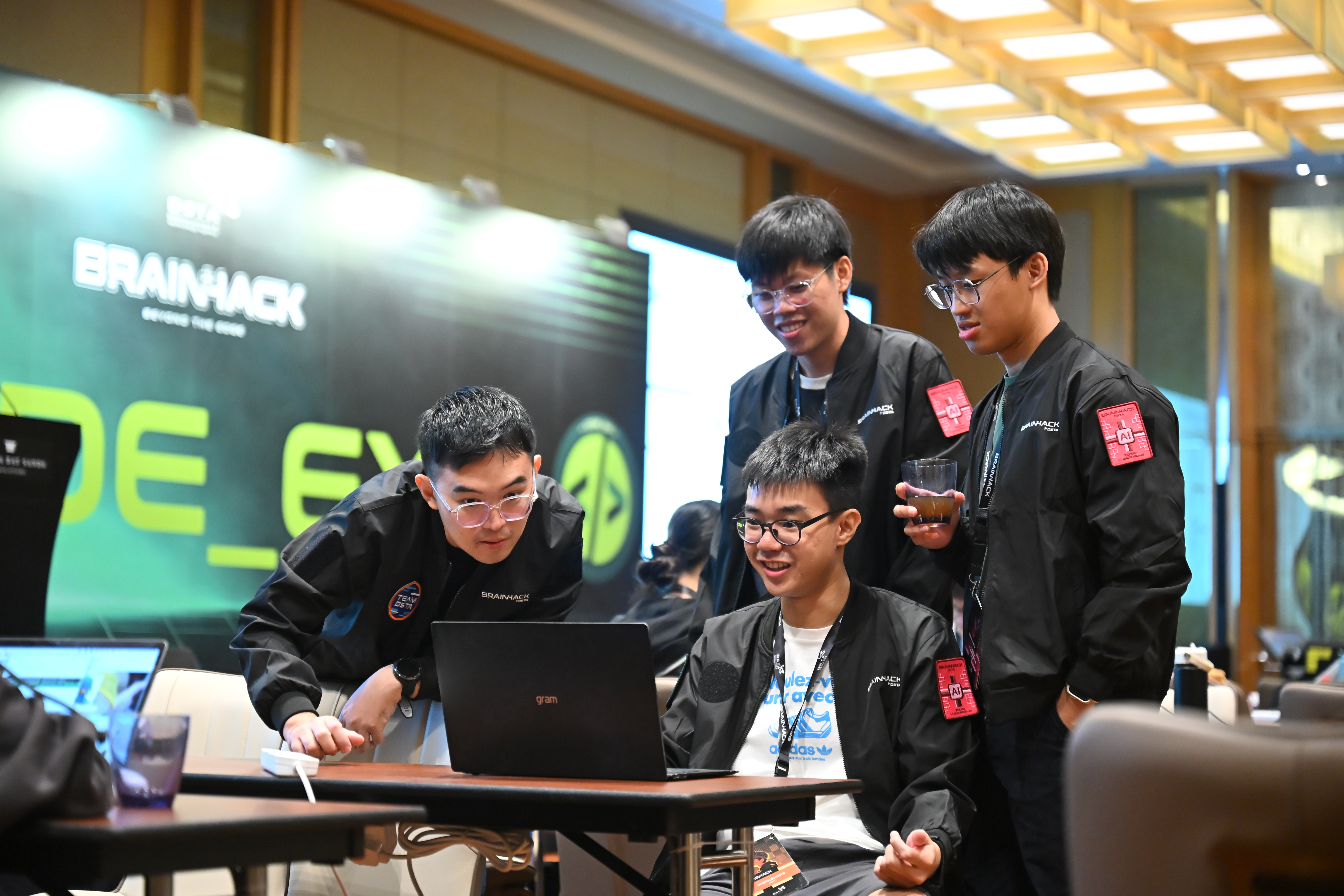
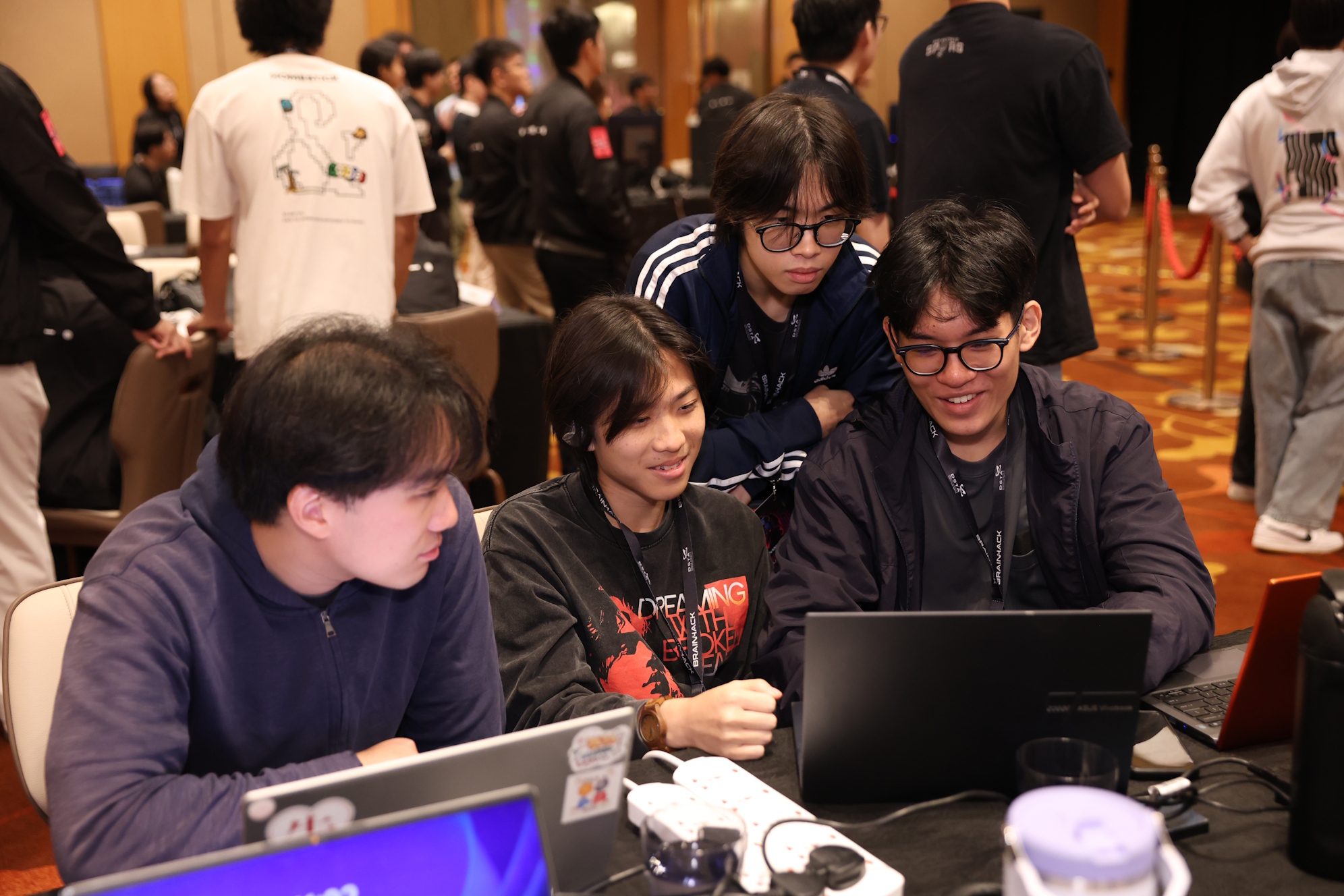
Participants in Today I Learned – Artificial Intelligence (TIL-AI) developed machine learning models capable of supporting different mission types. “I really enjoyed having the opportunity to work with my friends. I learnt a lot through this experience – such as how to implement and apply AI in different aspects, like Automatic Speech Recognition, Computer Vision, Natural Language Processing, and also in this year's agentic exploration.”, said Jun Chao, a participant at TIL-AI and a student at the Nanyang Technological University.
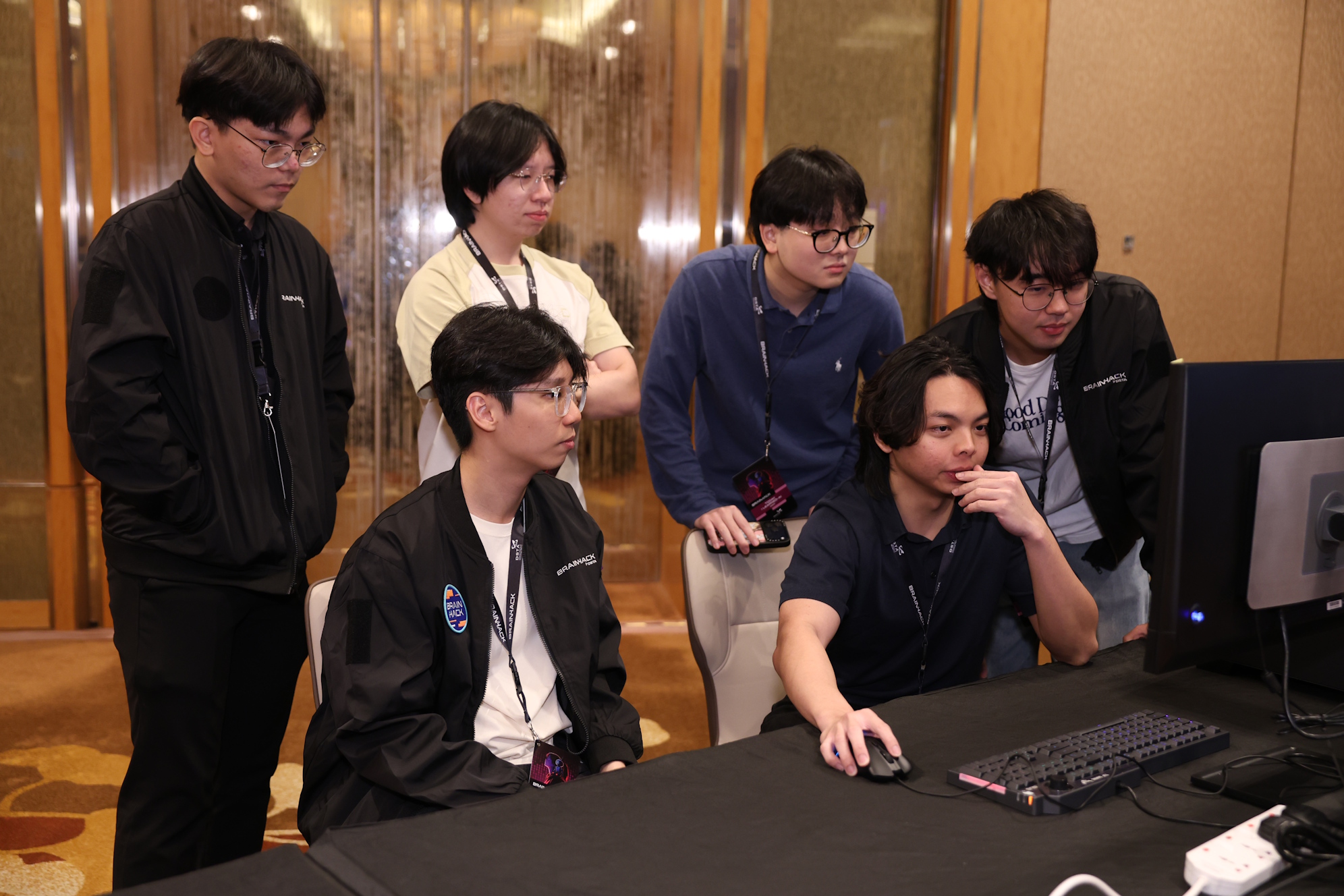
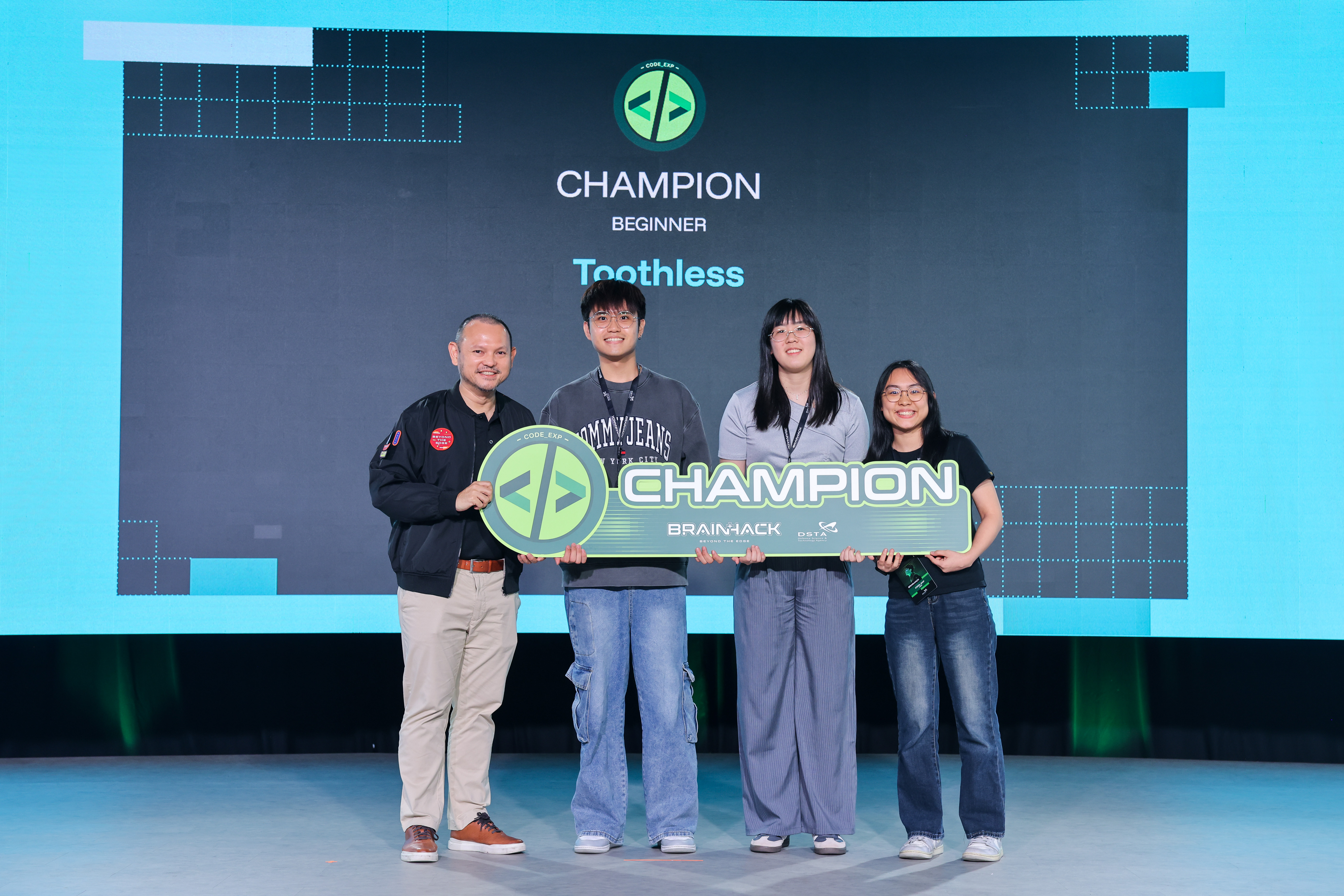
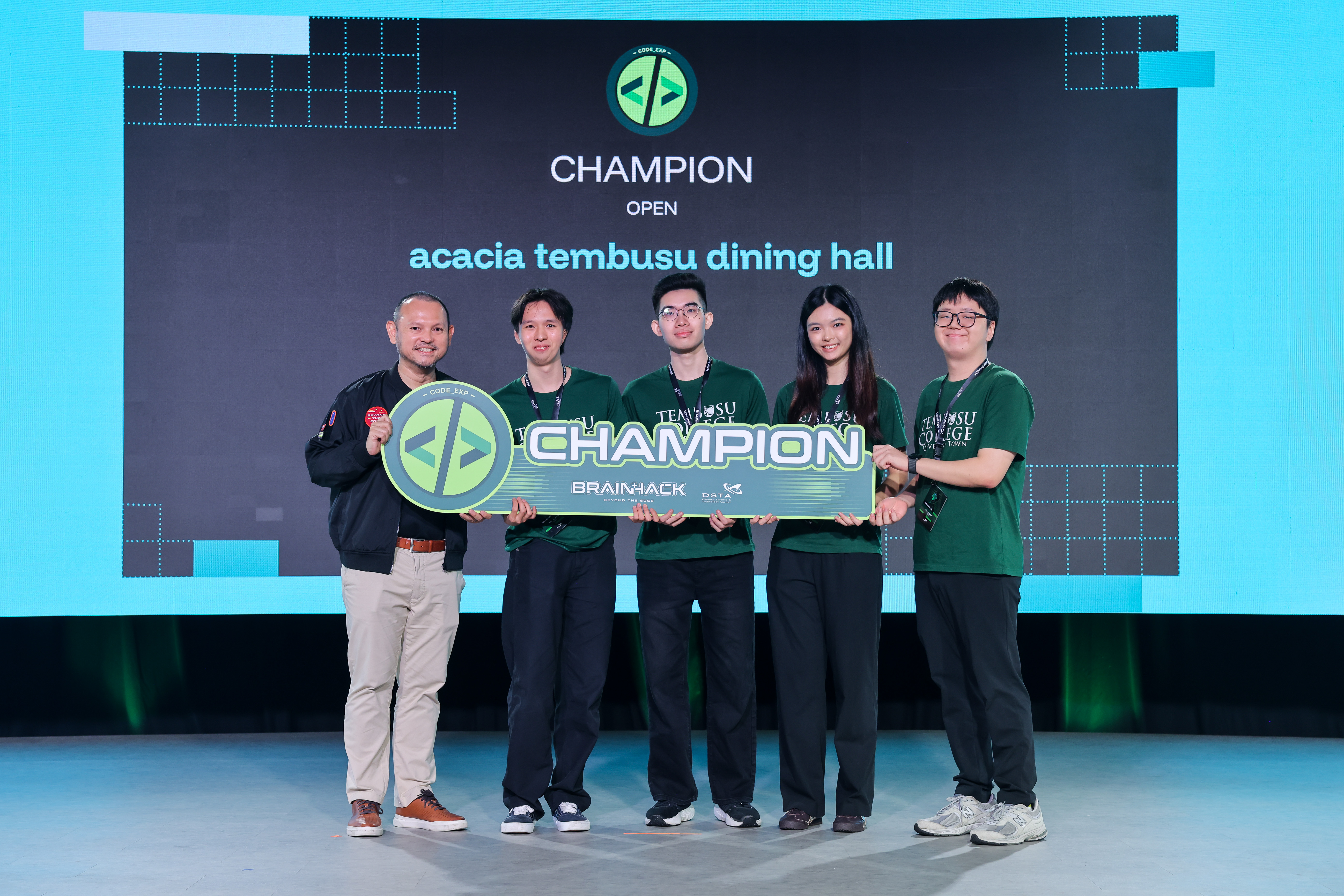
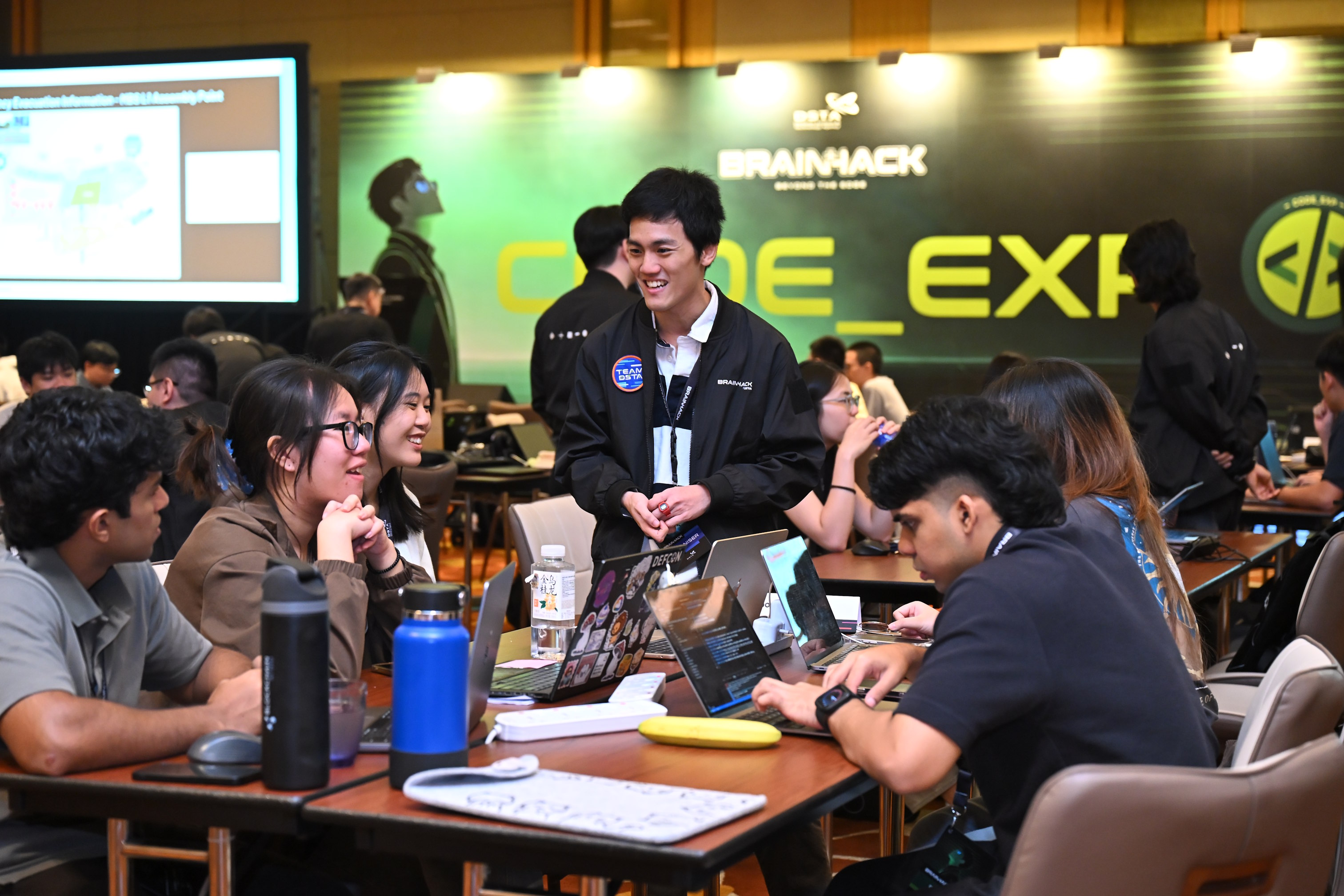
Through the CODE_EXP competition, participants tackled real-world problem statements by transforming innovative ideas into impactful web application solutions.
Chloe, a participant at CODE_EXP and a student at the National University of Singapore (NUS), shared, “It was quite an interesting experience because I learnt a lot more about product design, as well as how to sell a product. Right now, AI can do the code for you, but I realised that there is a lot more to selling your idea.”
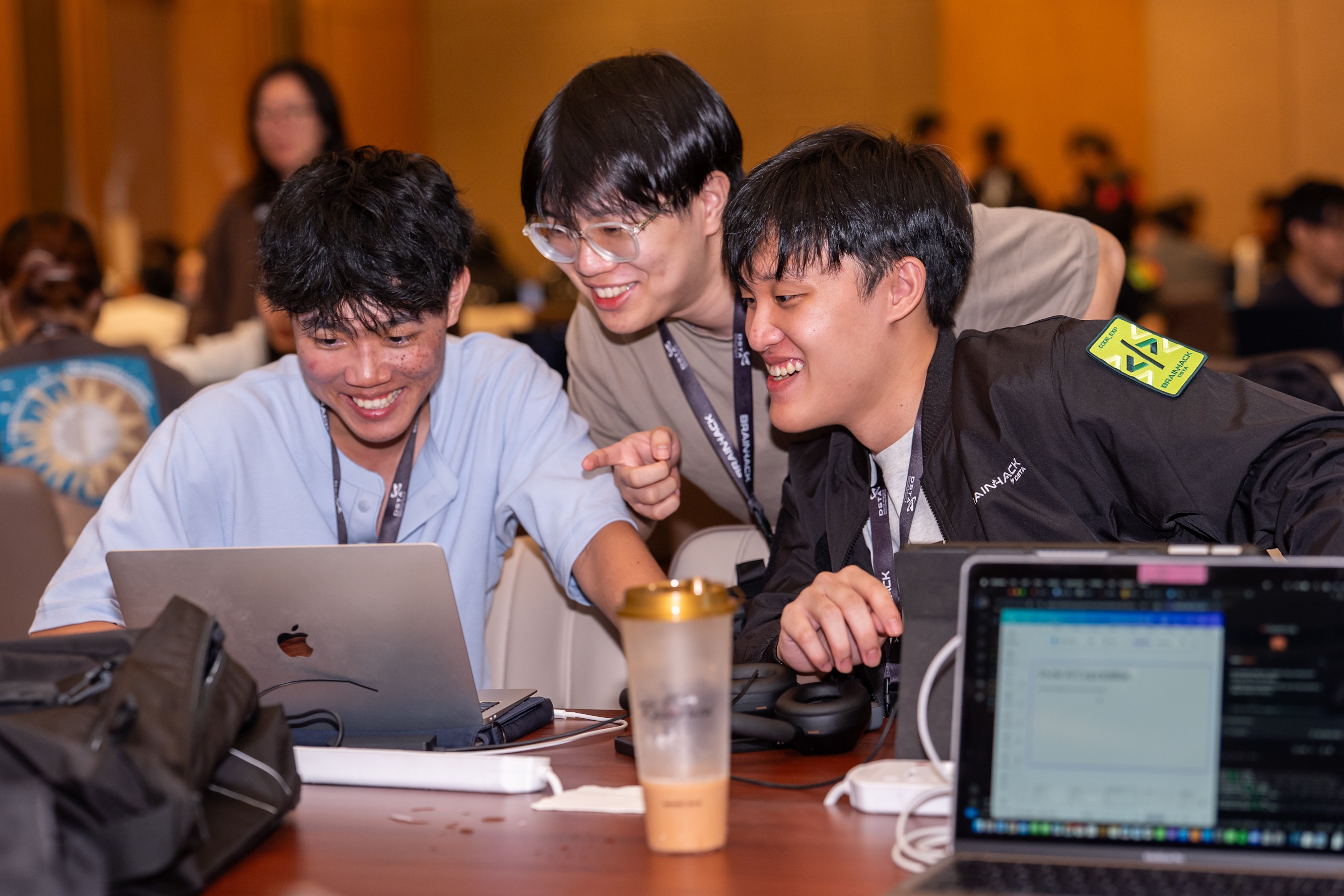
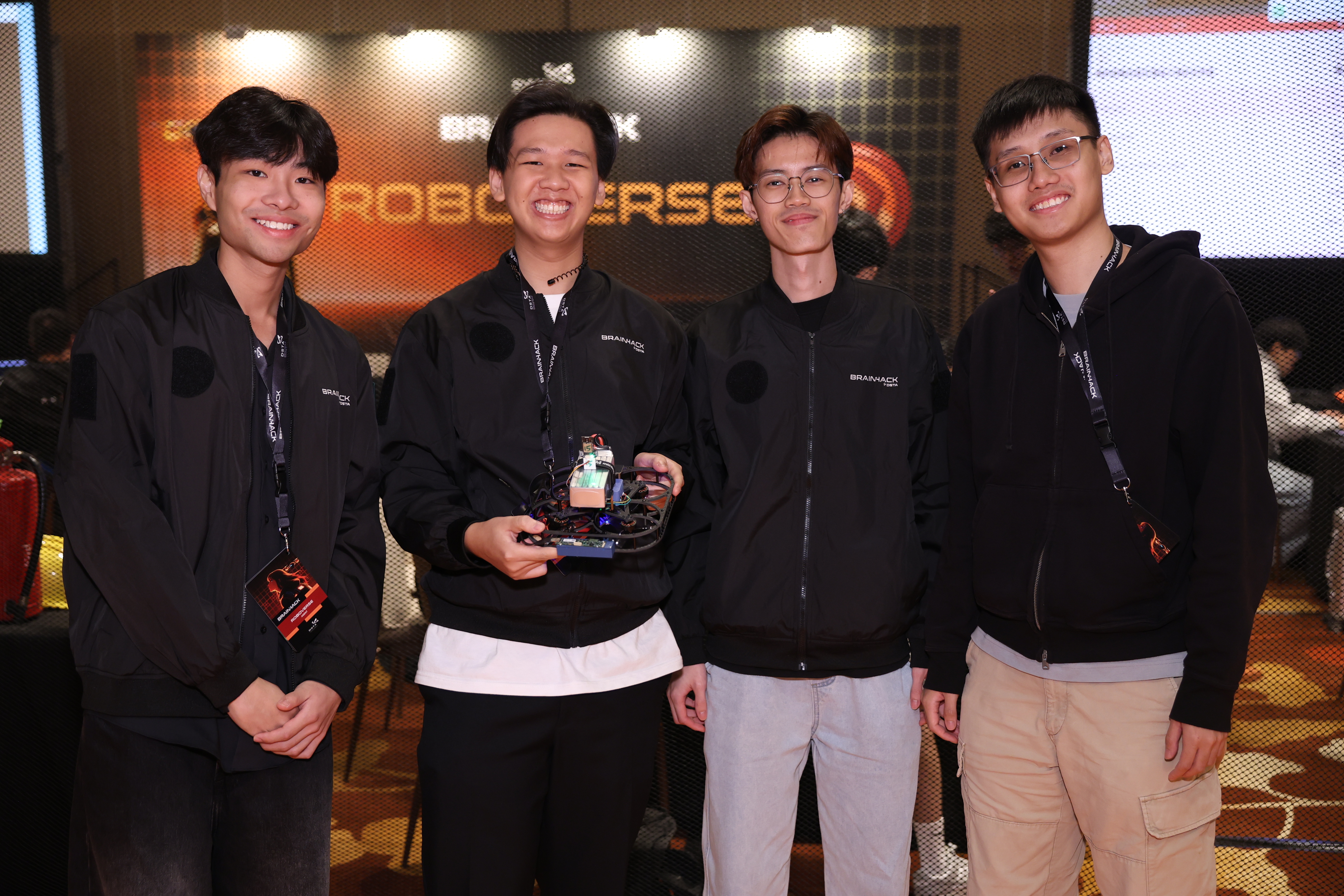
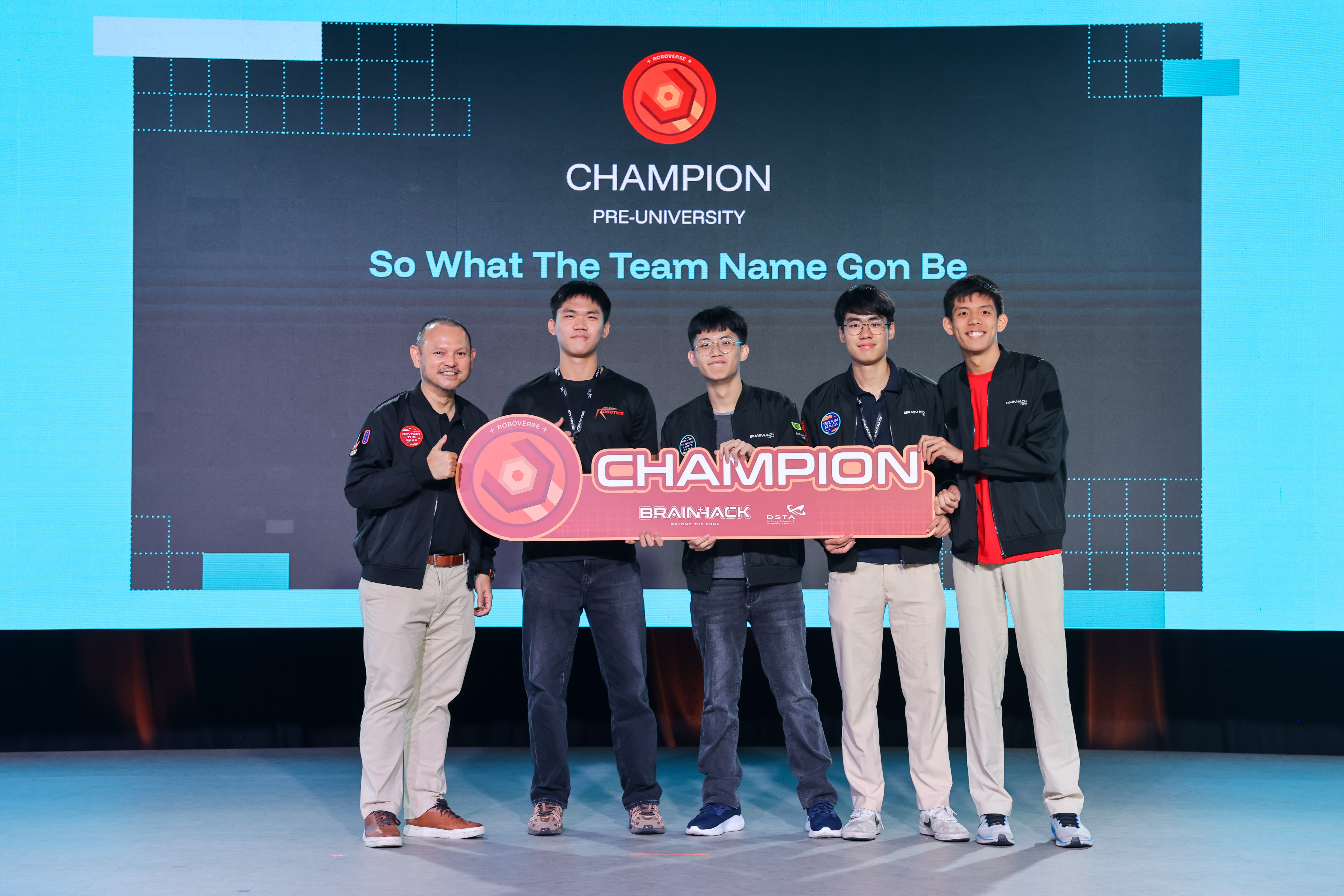
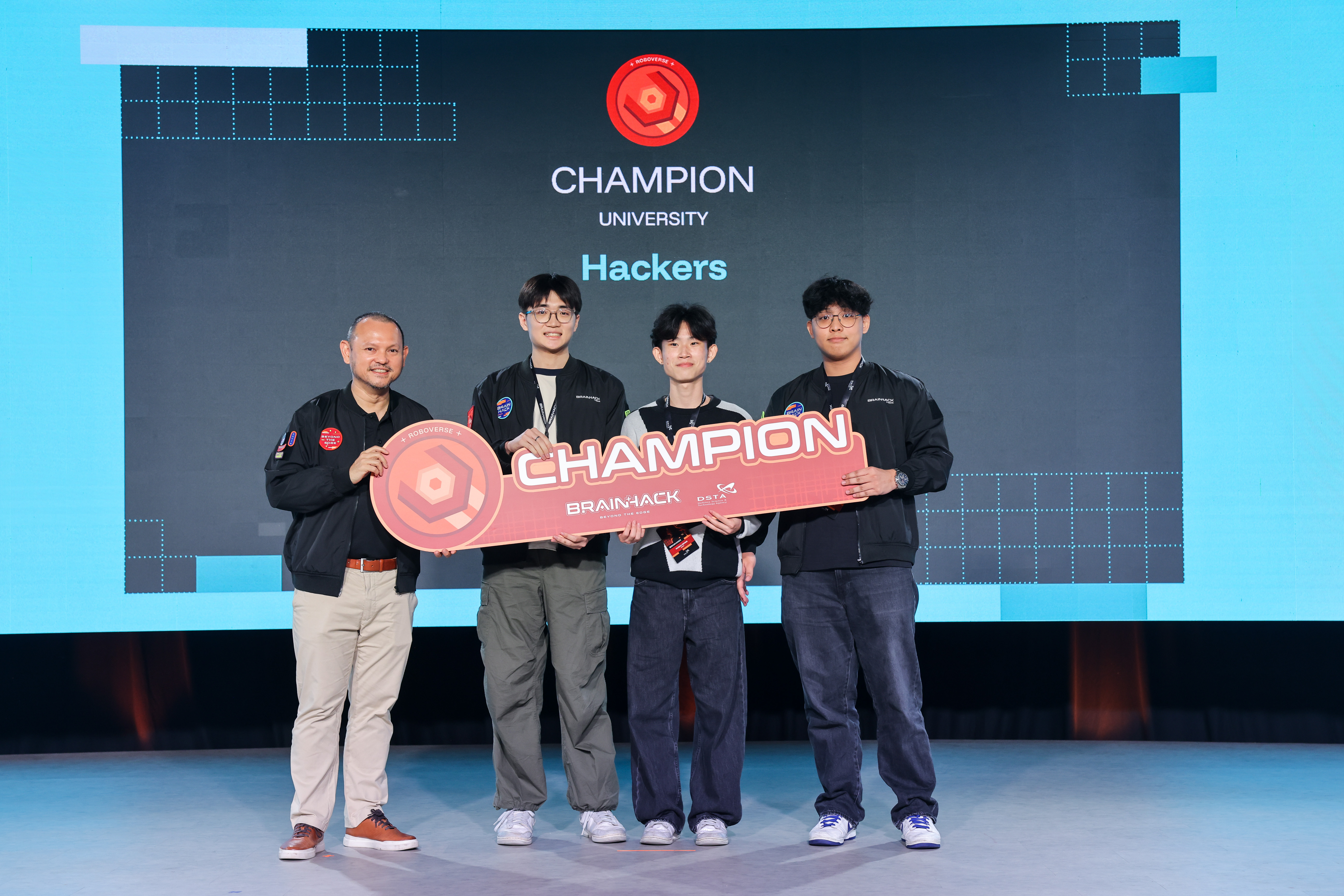
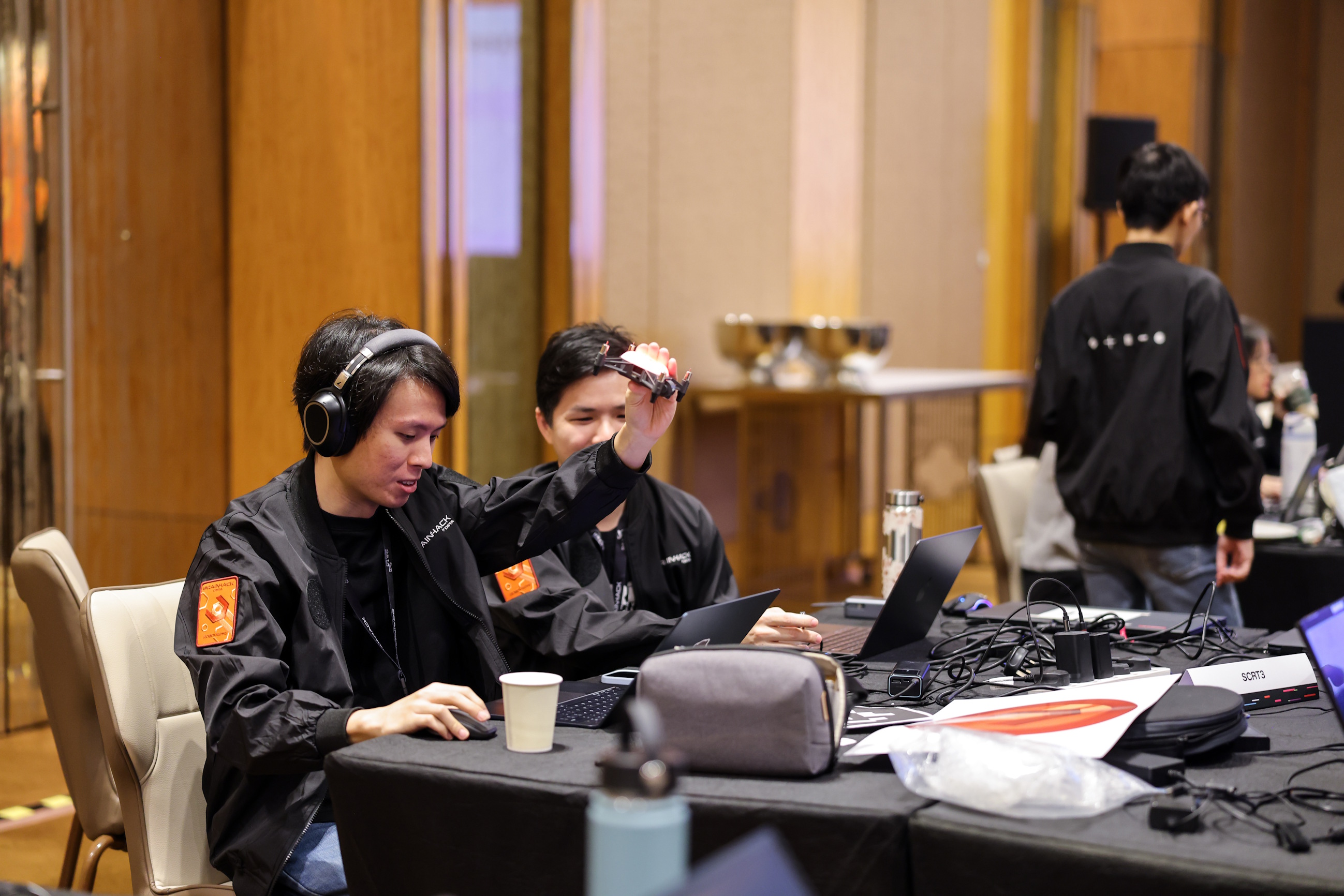
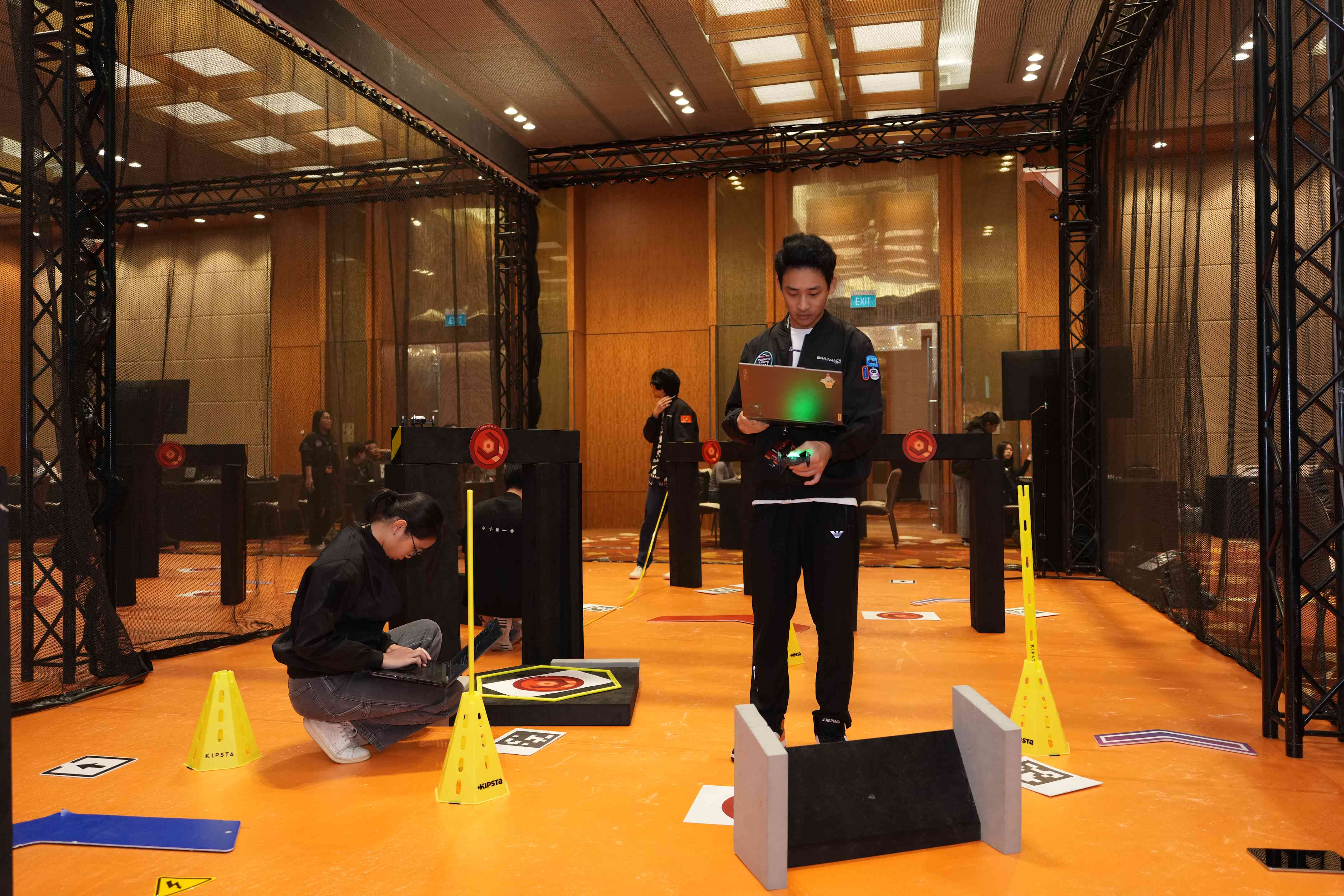
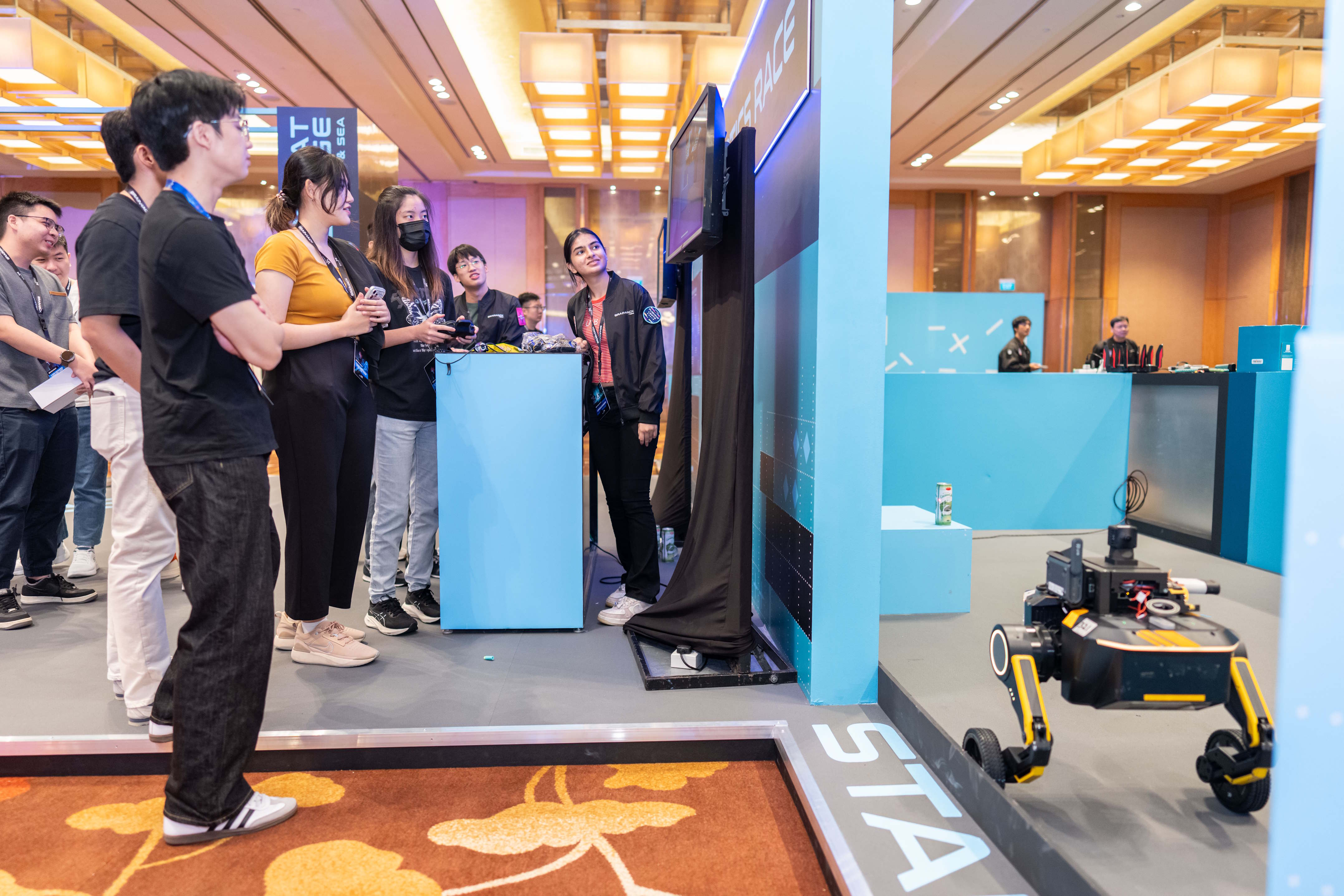
Making its debut this year was RoboVerse, a hands-on robotics competition that introduced participants to the exciting world of autonomous drones. Armed with computer vision techniques and programming skills, teams learnt how to guide their drones through mission-based challenges inspired by practical scenarios.
“My experience at BrainHack has been really great. Even though the challenges were really tough, it was still cool to see what you have coded worked in the arena. I also got to collaborate with friends to solve problems, which was really fun,” said Zizhuo, a participant at RoboVerse and a student at the Hwa Chong Institution.
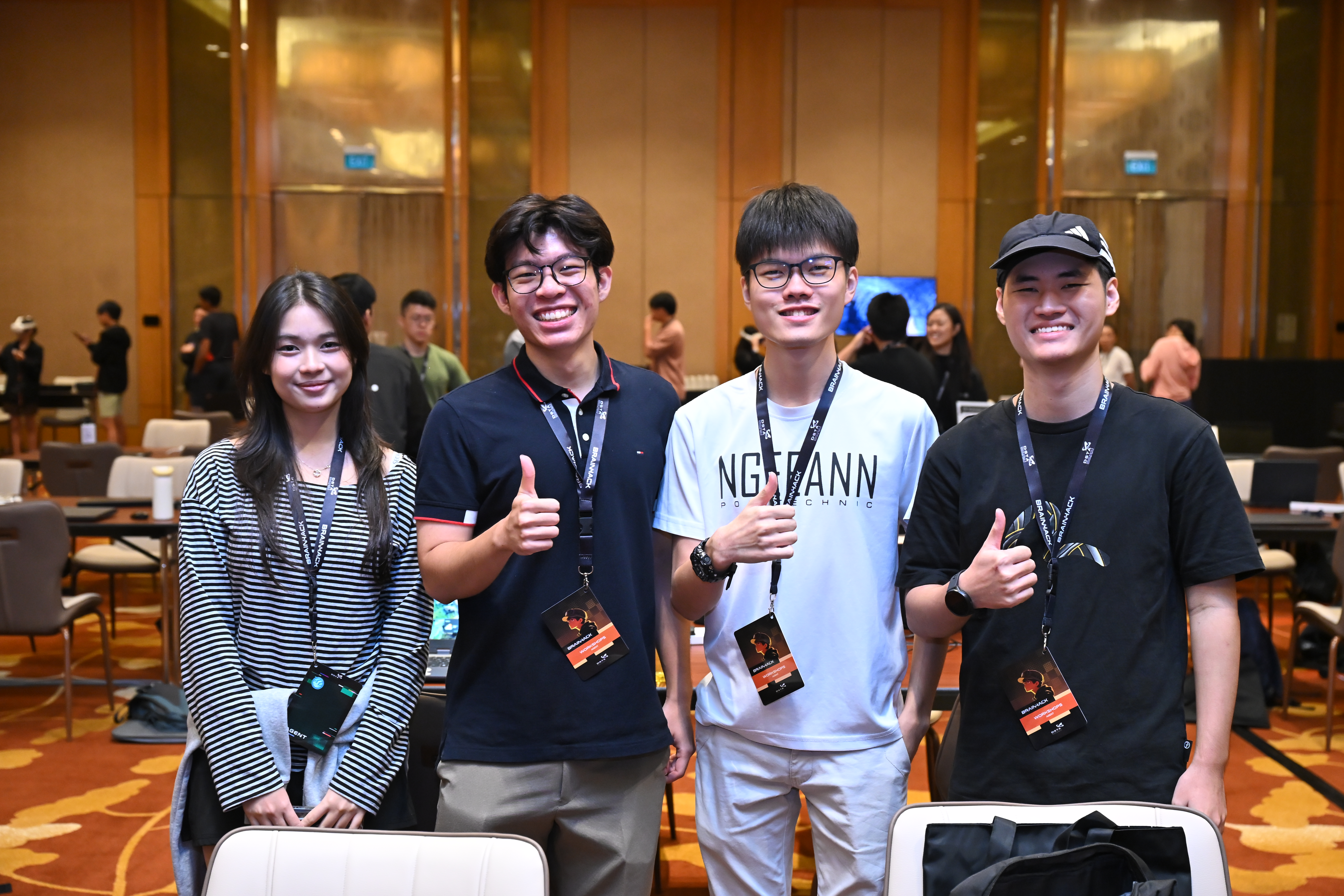
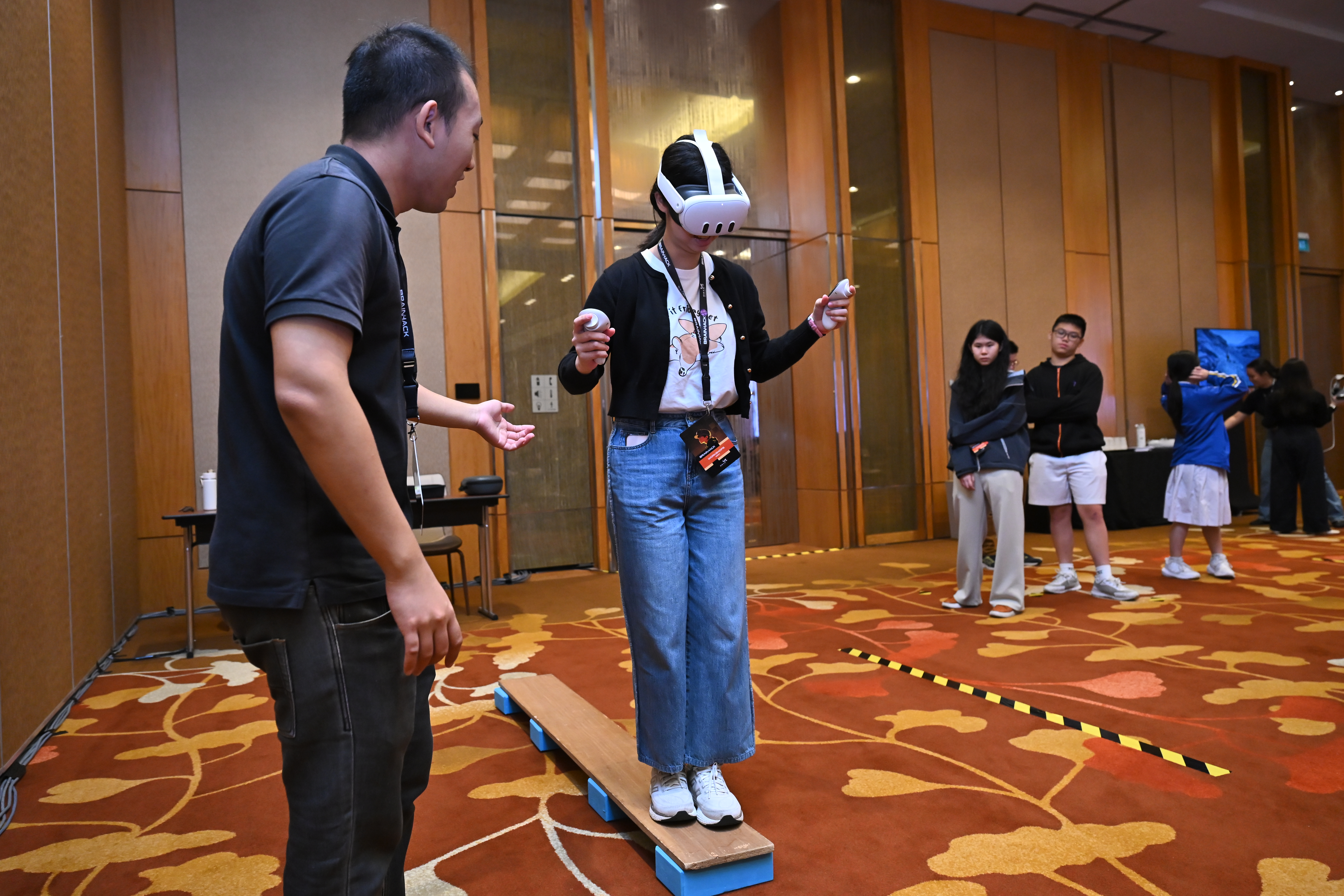
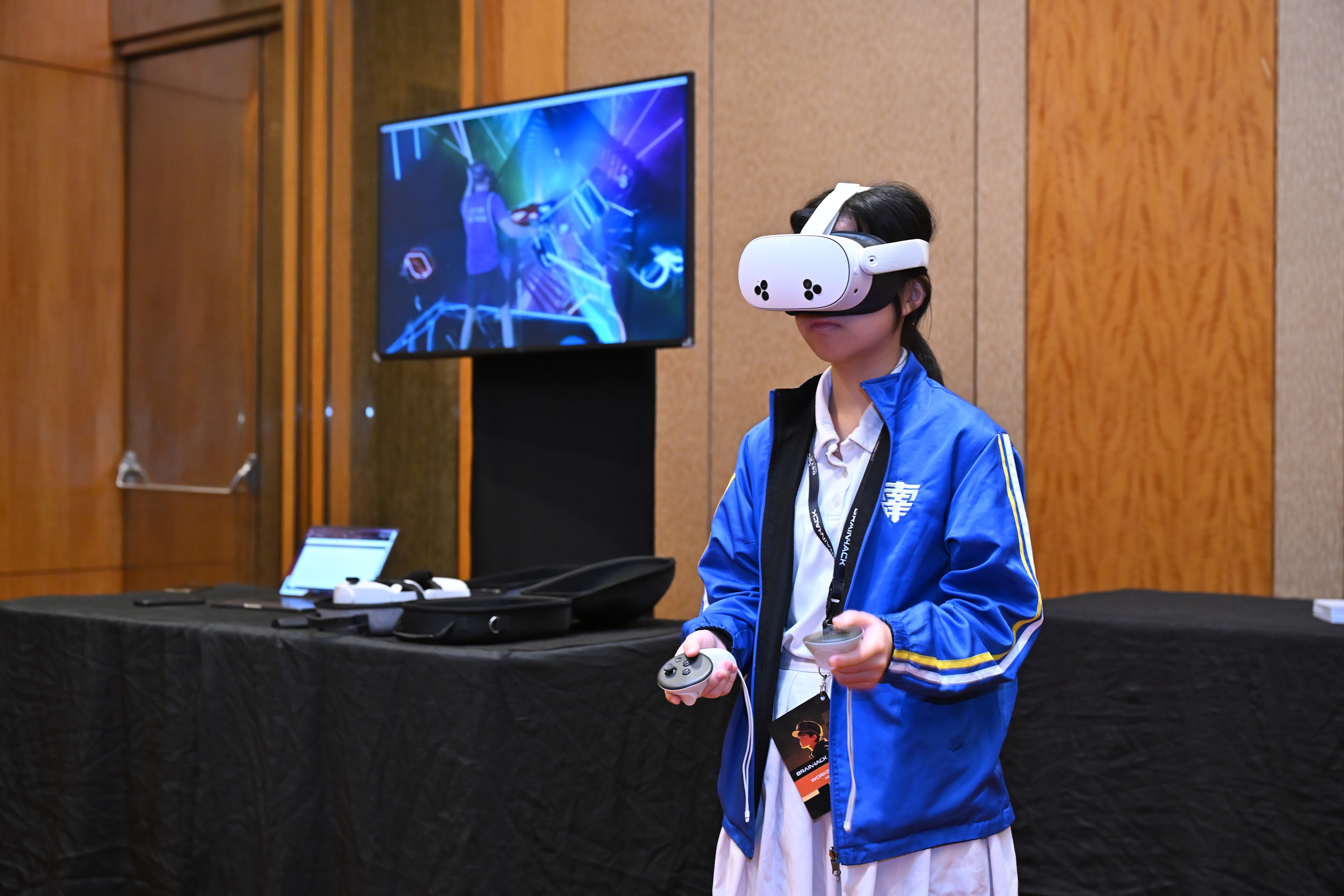
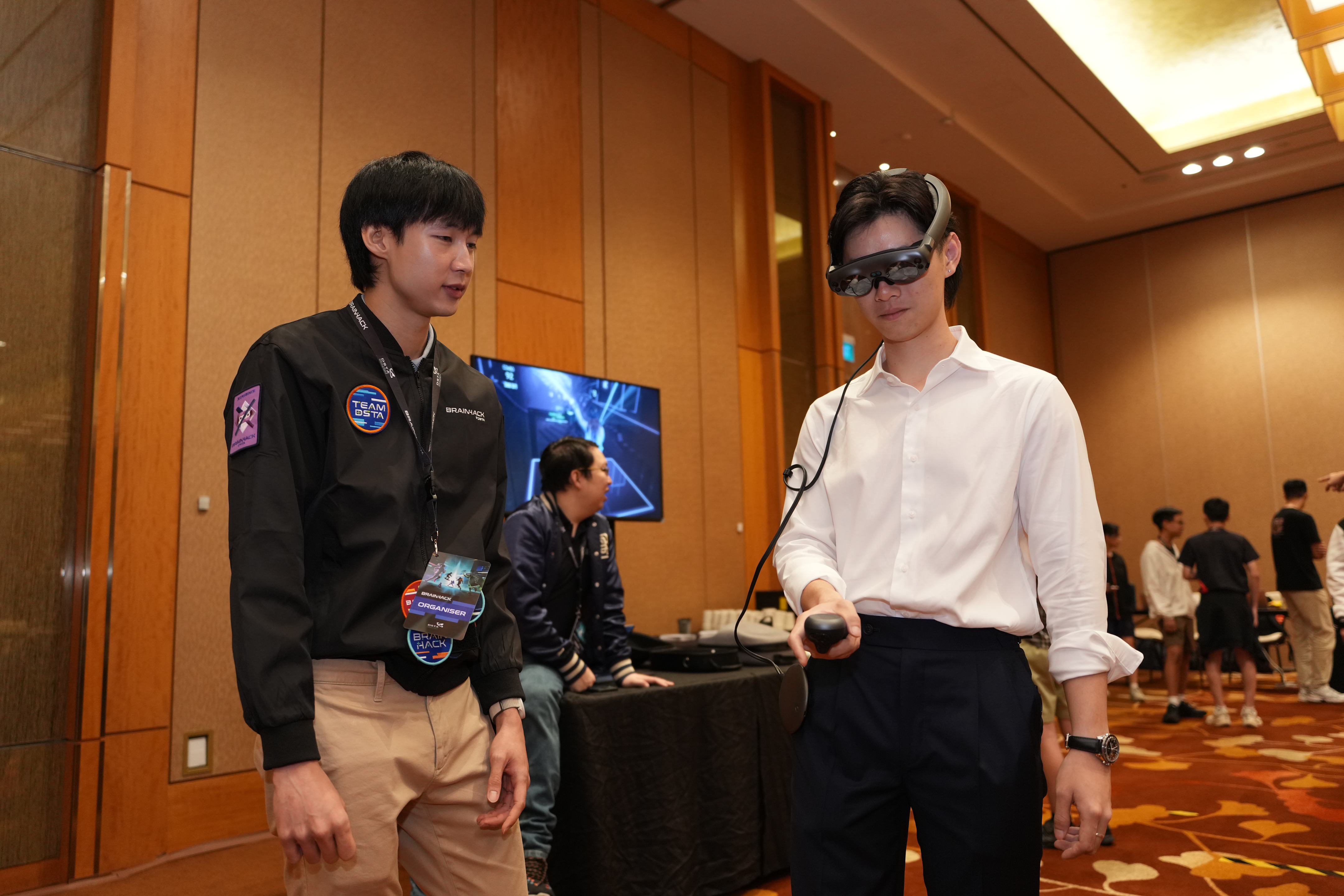
Beyond the thrill of competition, students also had opportunities to explore new technologies through a series of hands-on workshops. At XRperience, participants stepped into the world of extended reality and created their own interactive experiences using industry-standard development tools. Others learnt how modern IT systems are deployed and managed through INFRAxCODE, where they gained practical exposure to Infrastructure-as-Code and automation workflows commonly used in the industry.
For participants curious about the space domain, SpaceCube offered an introduction to satellites, orbital mechanics and space sustainability. Through interactive activities, students explored how satellites support everyday life and examined challenges such as collision risks and the growing importance of responsible space operations.
Joelle, a participant at SpaceCube workshop and a student at the NUS, shared, “I have always been interested in the defence domain in Singapore and wanted to find out more. This workshop was an invaluable opportunity for us to take a step out of our classrooms and the usual textbook information, and gain some hands-on experiences instead.”
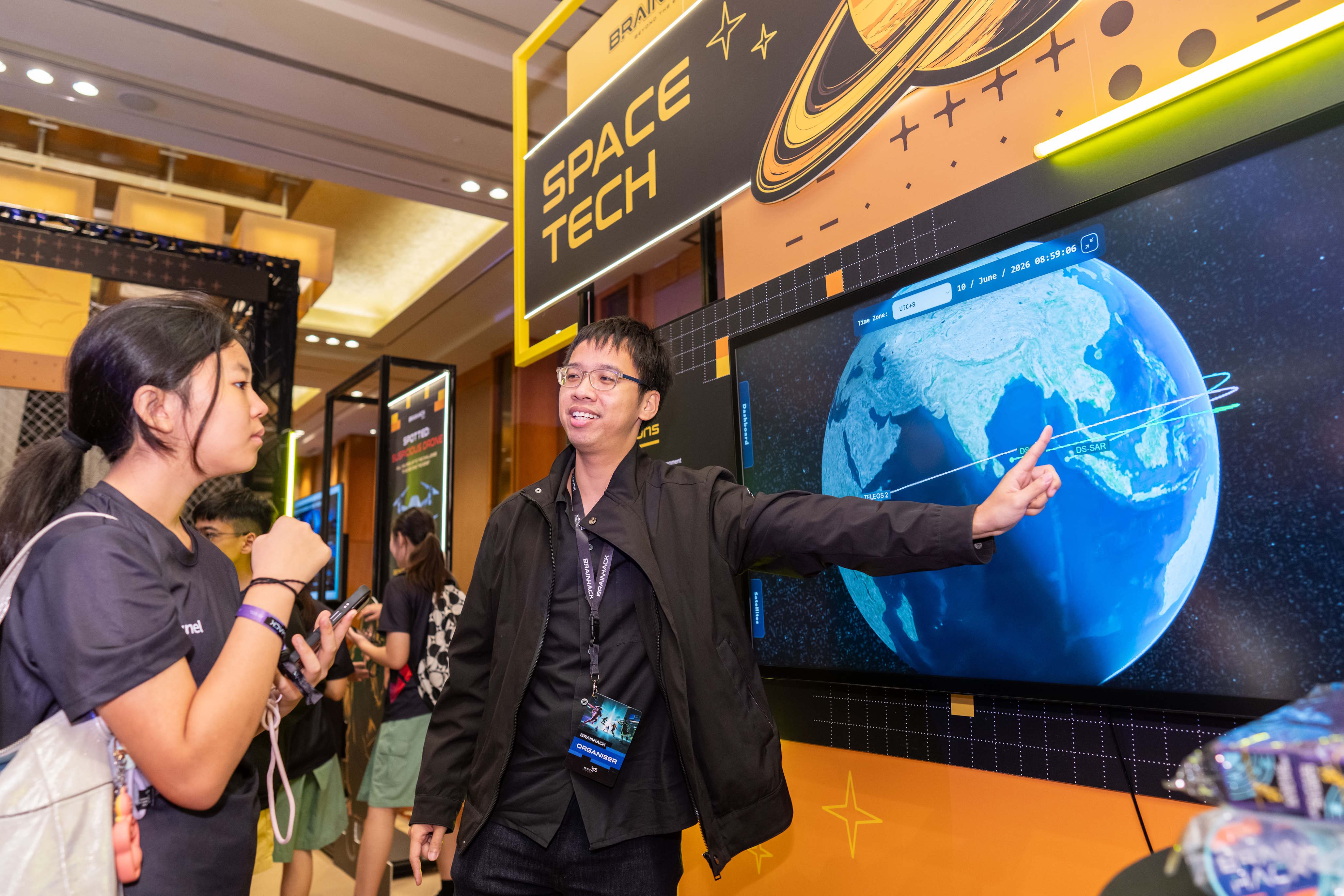
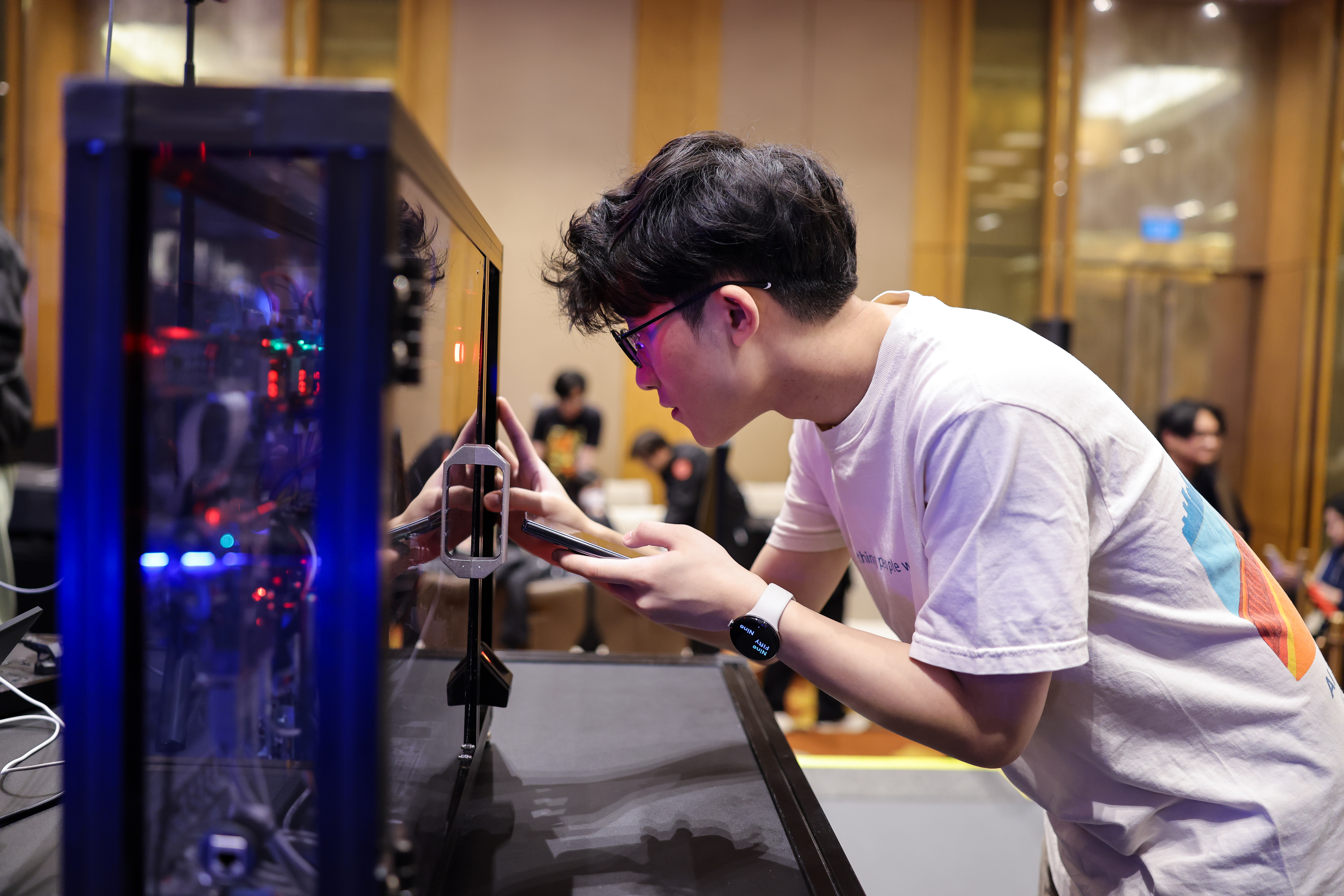
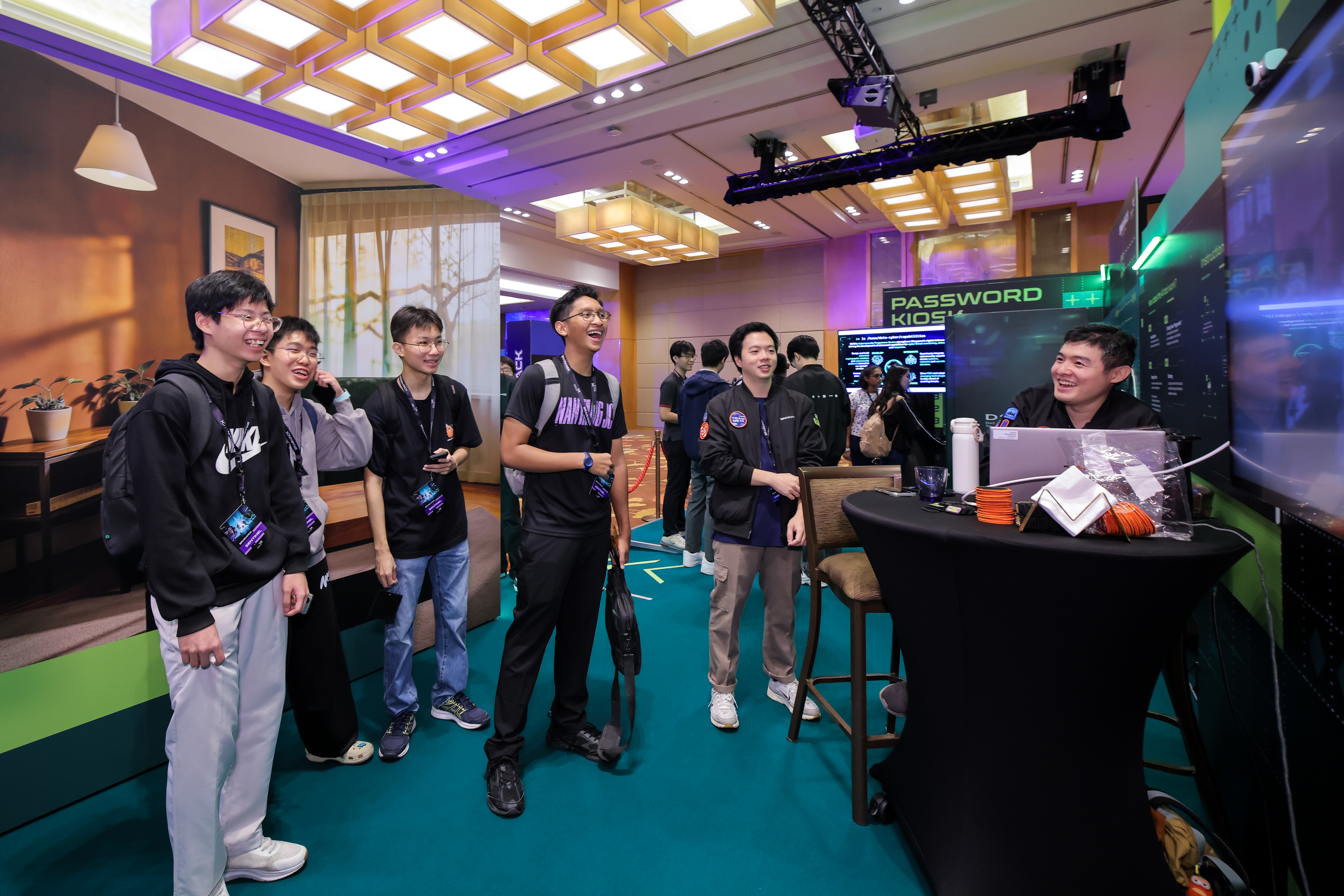
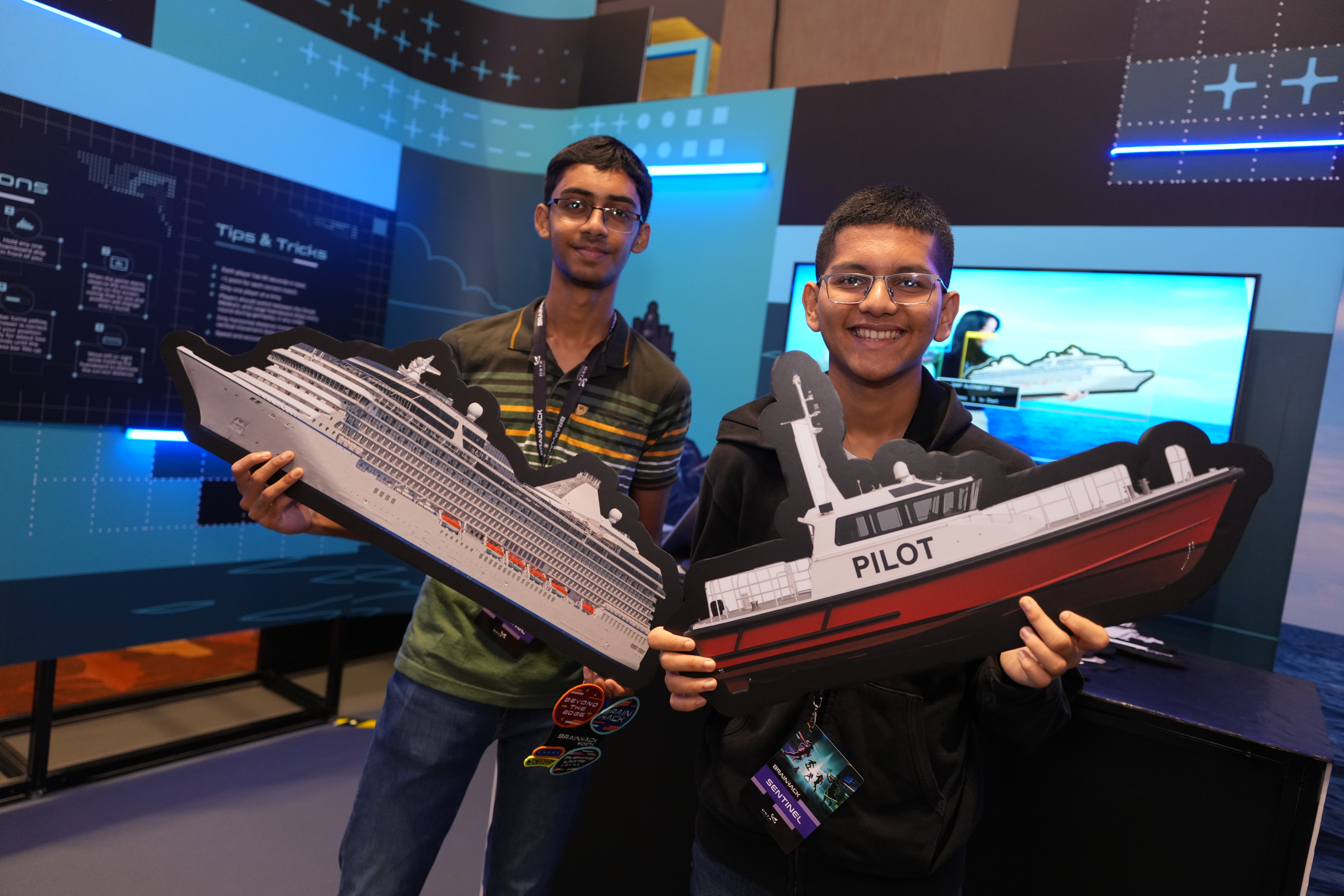
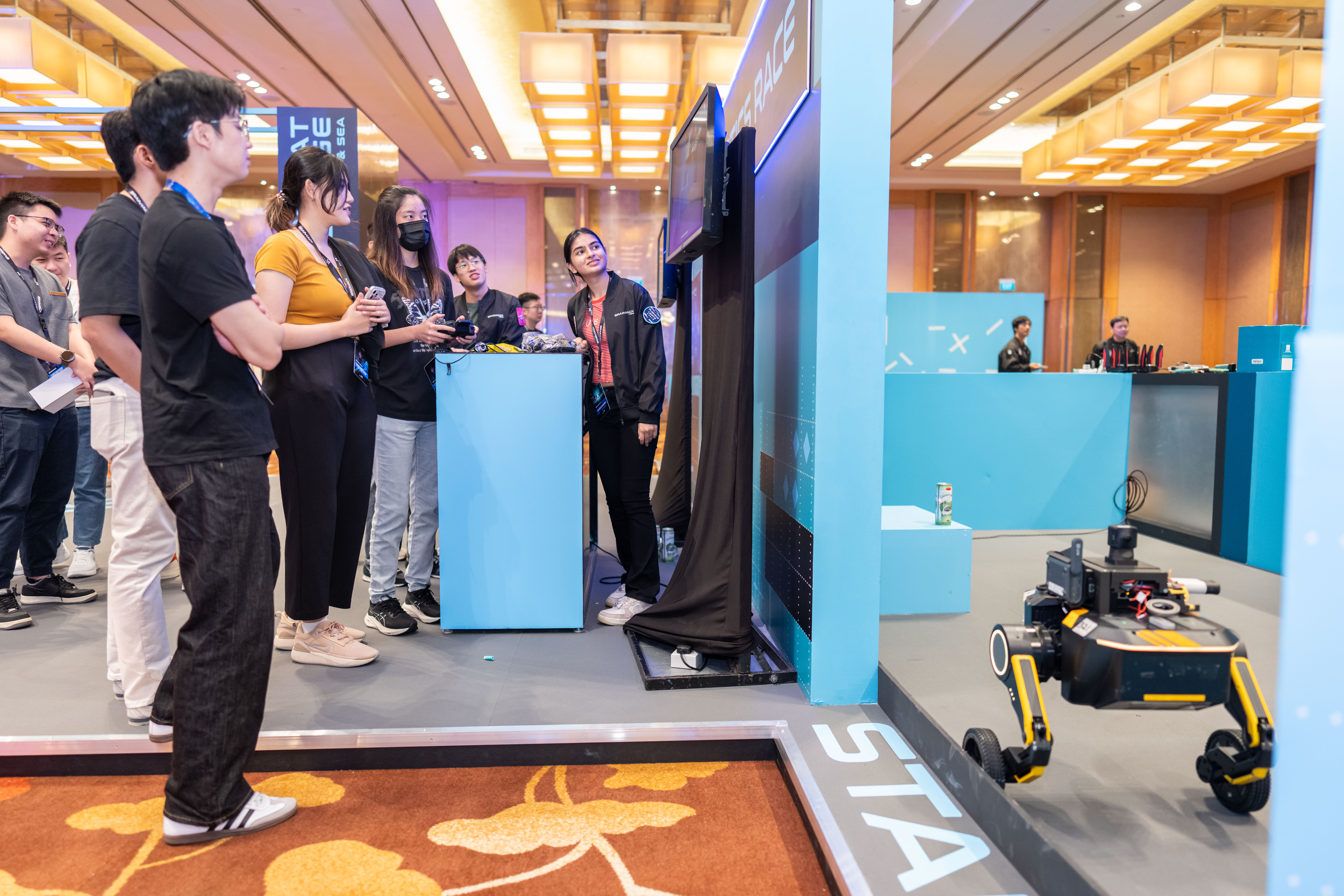
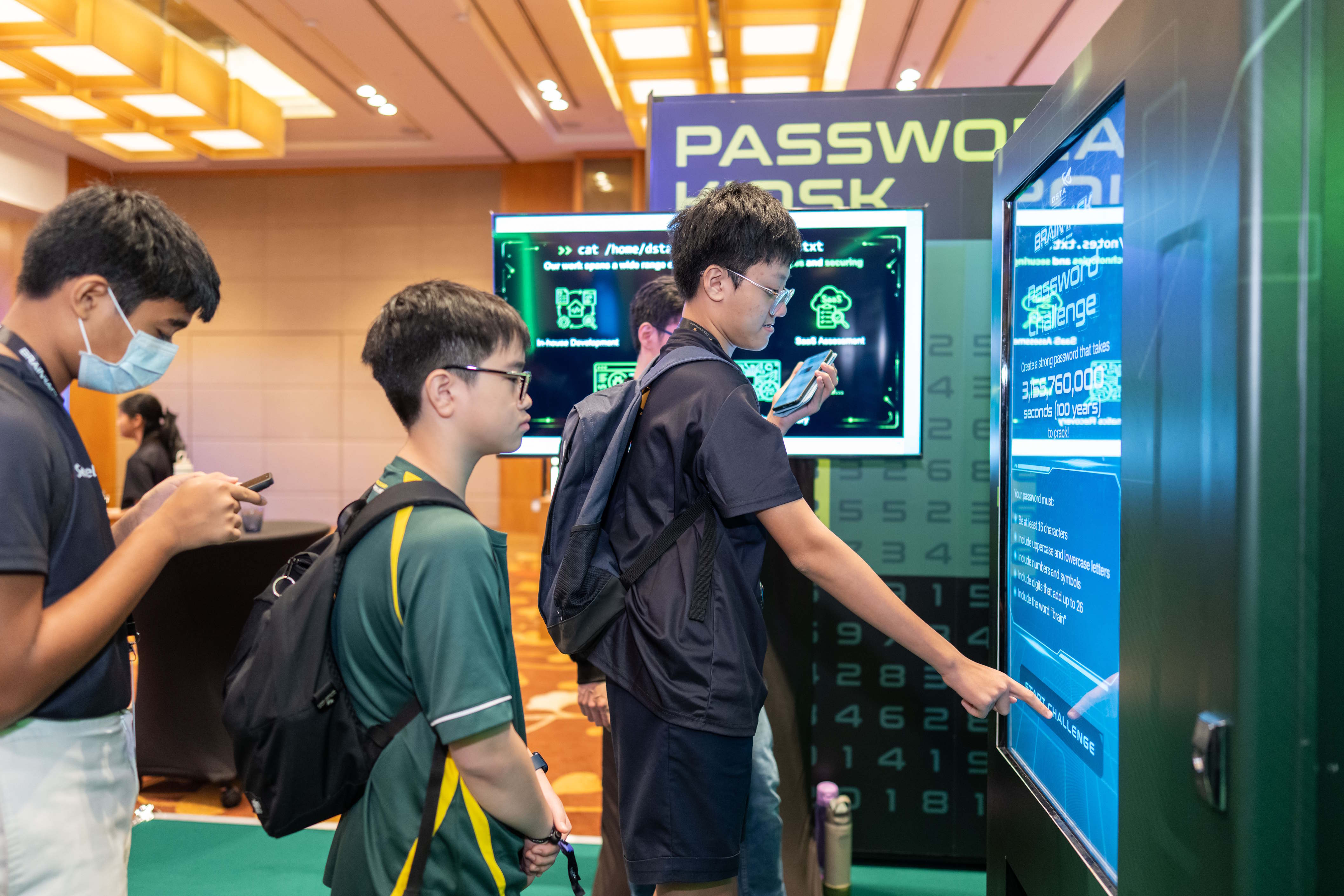
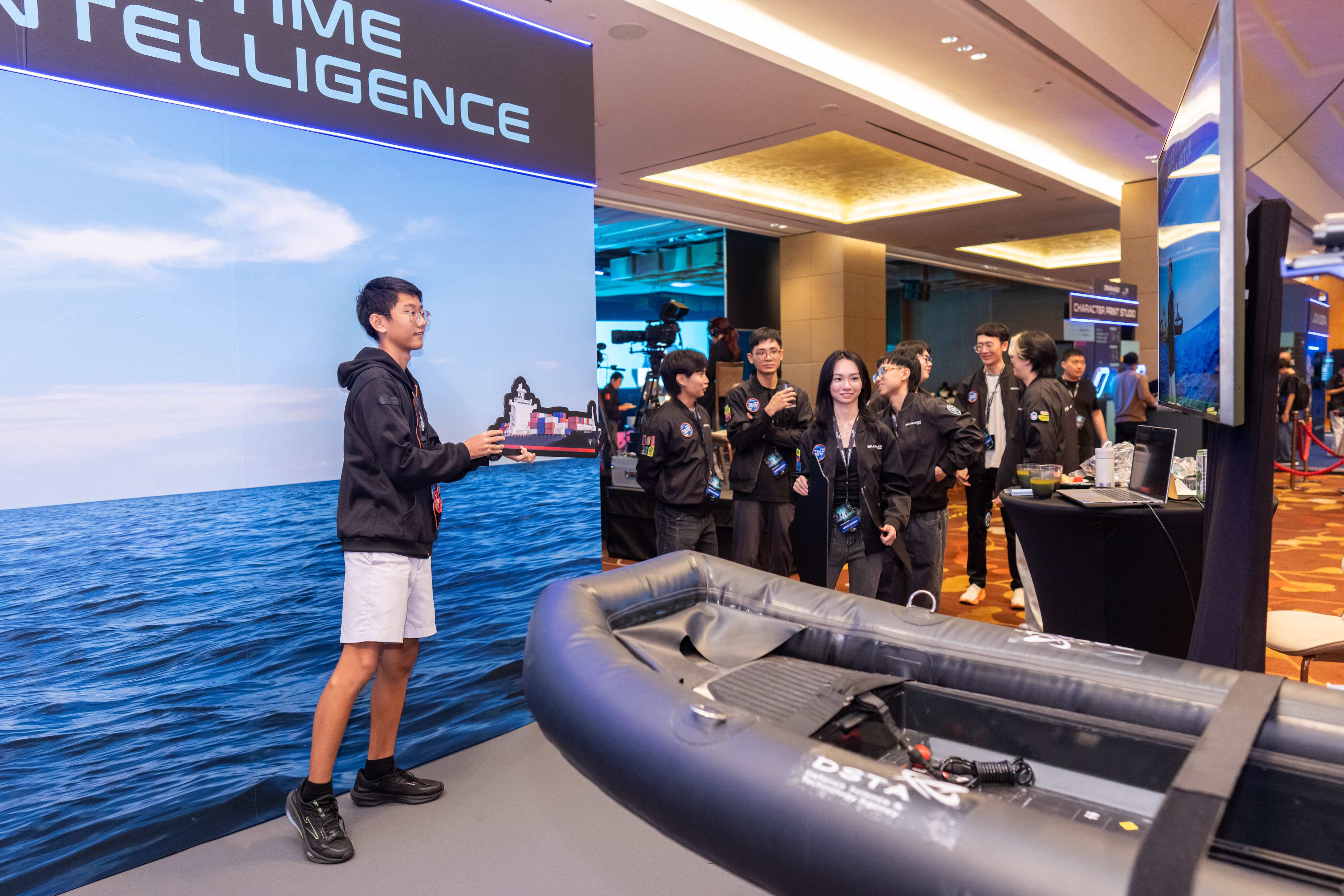
The learning journey extended beyond competitions and workshops, where participants encountered a diverse range of defence technologies through interactive exhibits and demonstrations at the Tech Showcase. From advanced engineering systems to emerging digital capabilities, the showcase provided a glimpse into how technology is harnessed to address complex defence challenges and strengthen Singapore's security.
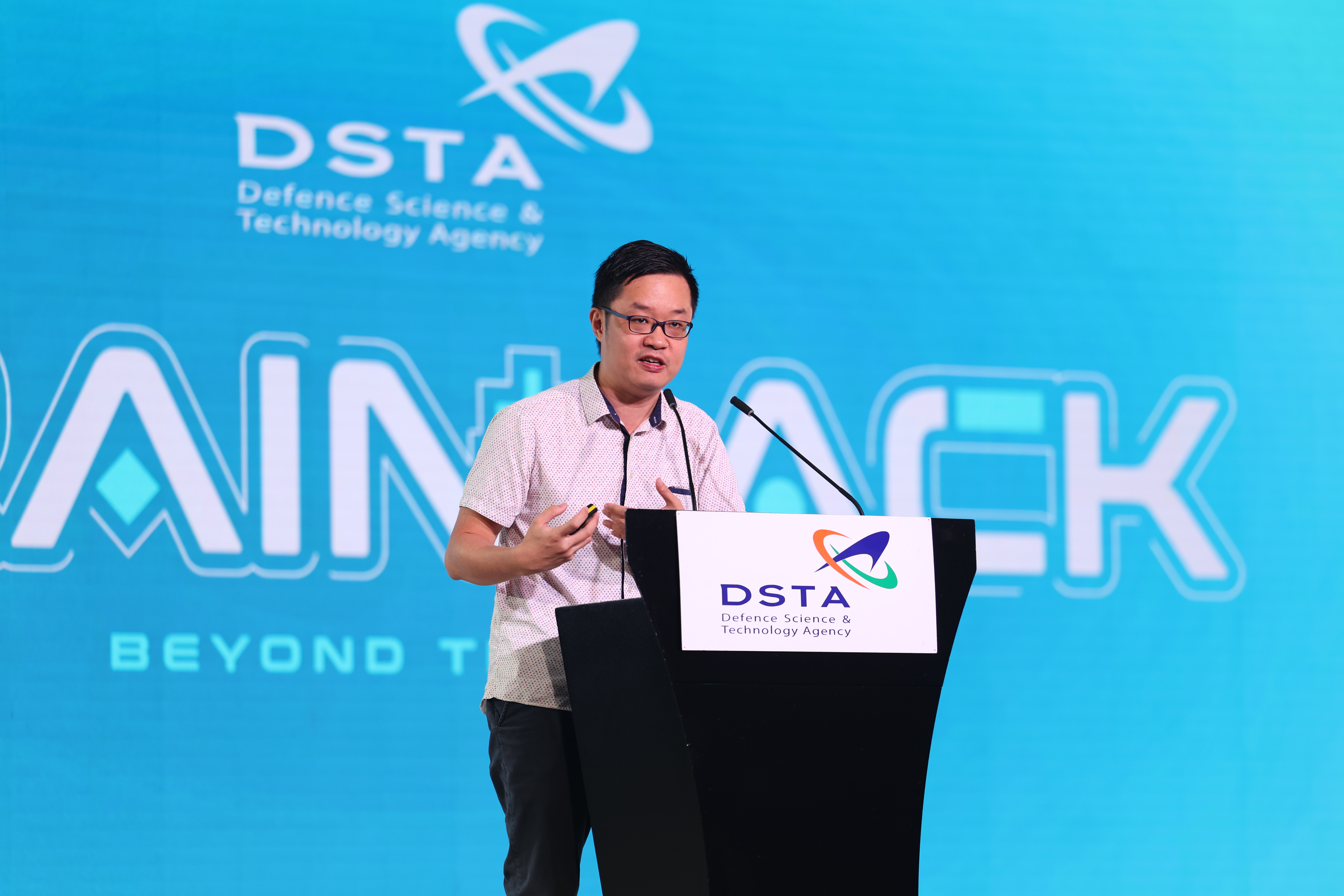
Adding to the experience were tech talks by invited speakers, including an off-stage interaction with astronaut Dr Koichi Wakata. The speakers shared their perspectives on the latest innovations, industry trends and opportunities in the rapidly evolving technology landscape. These sessions gave participants valuable insights into the possibilities that lie ahead and the role they can play in shaping the future.
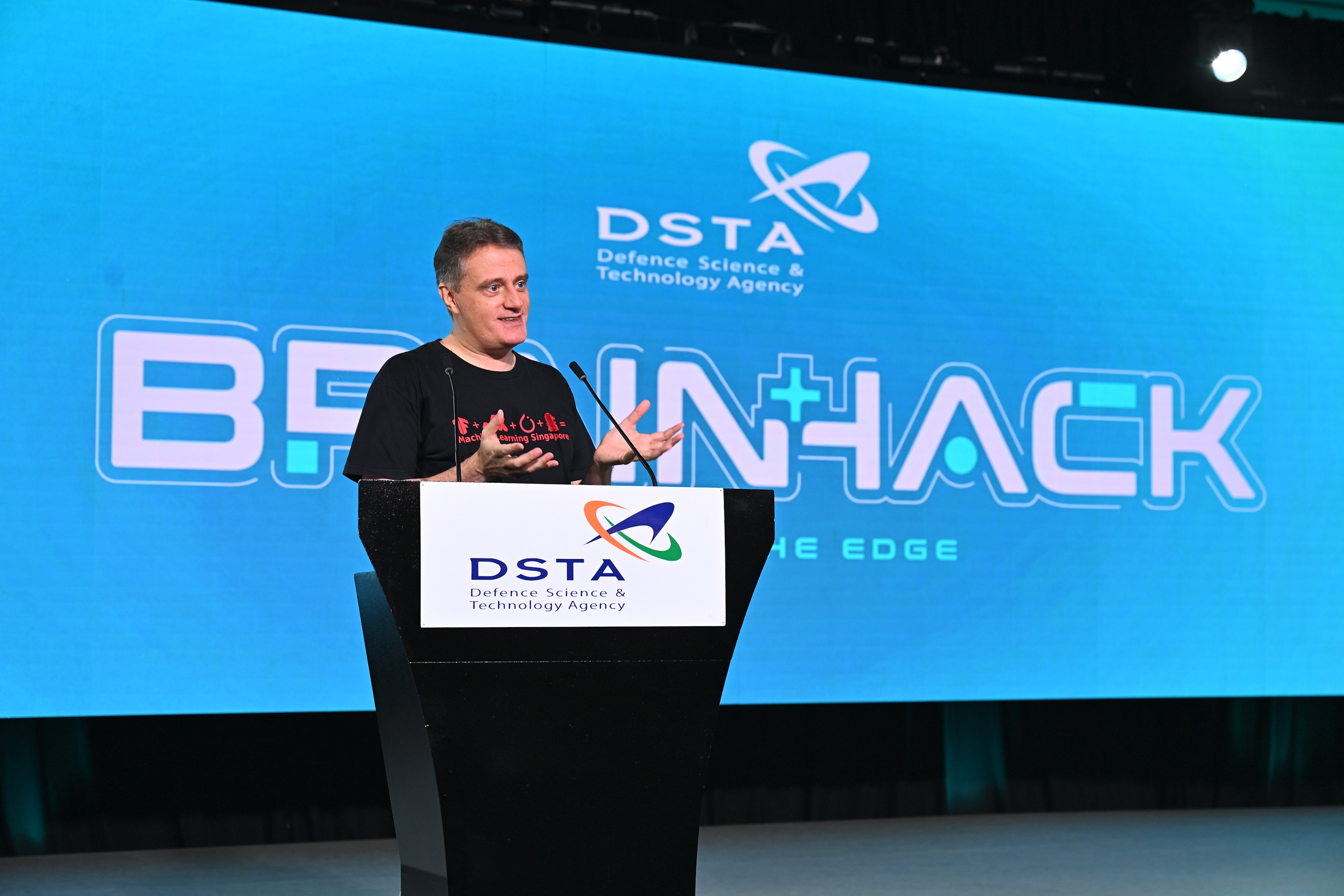
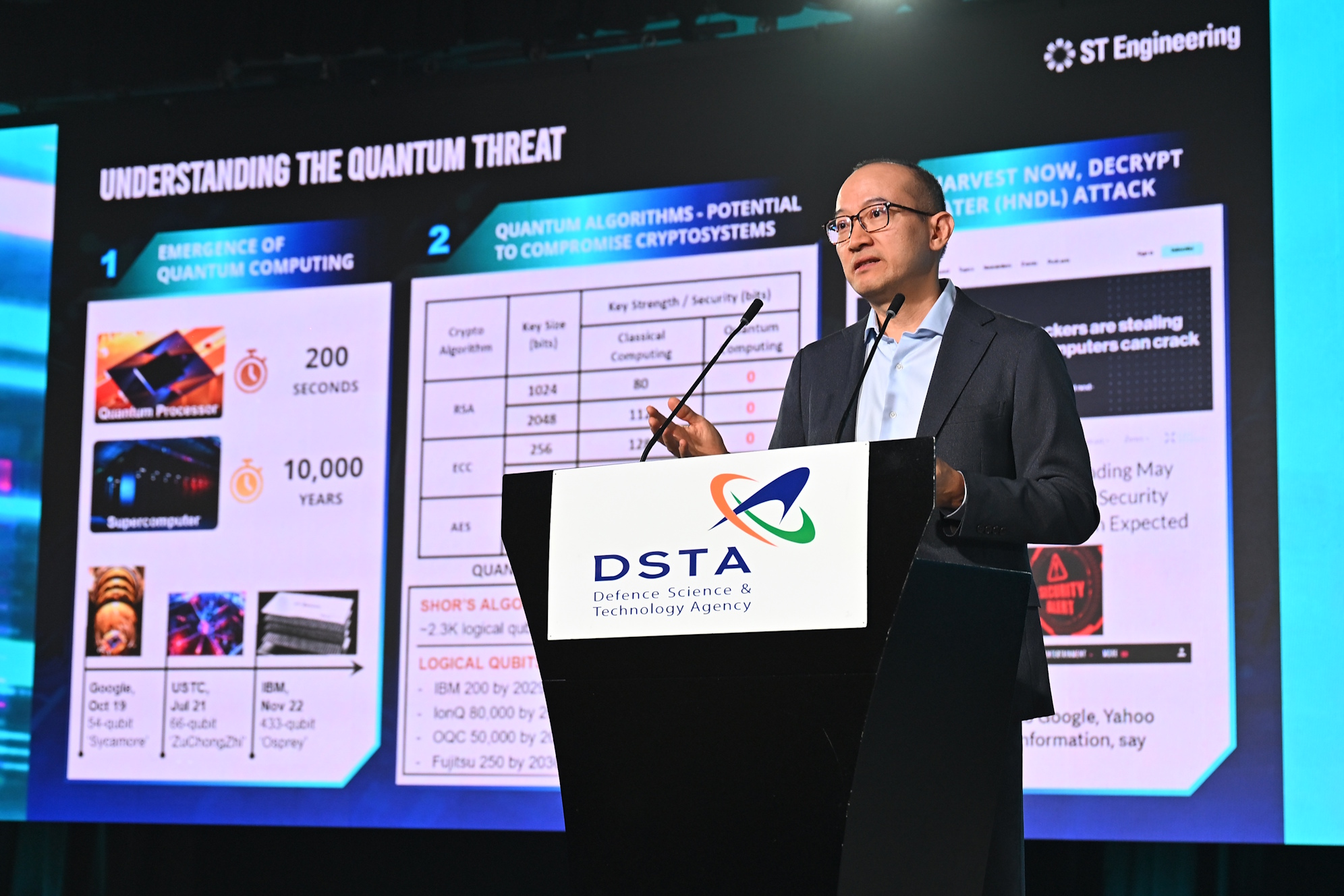
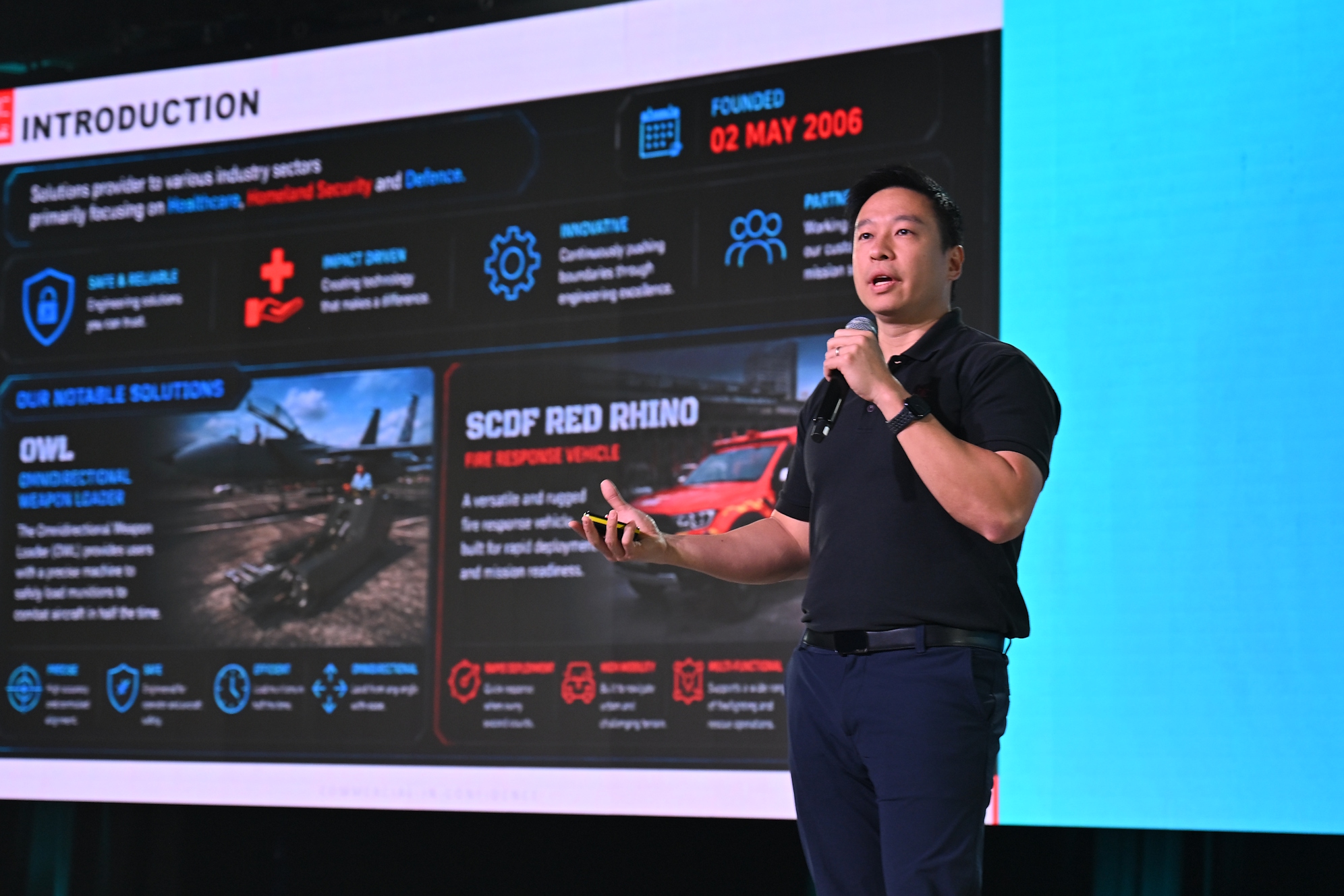
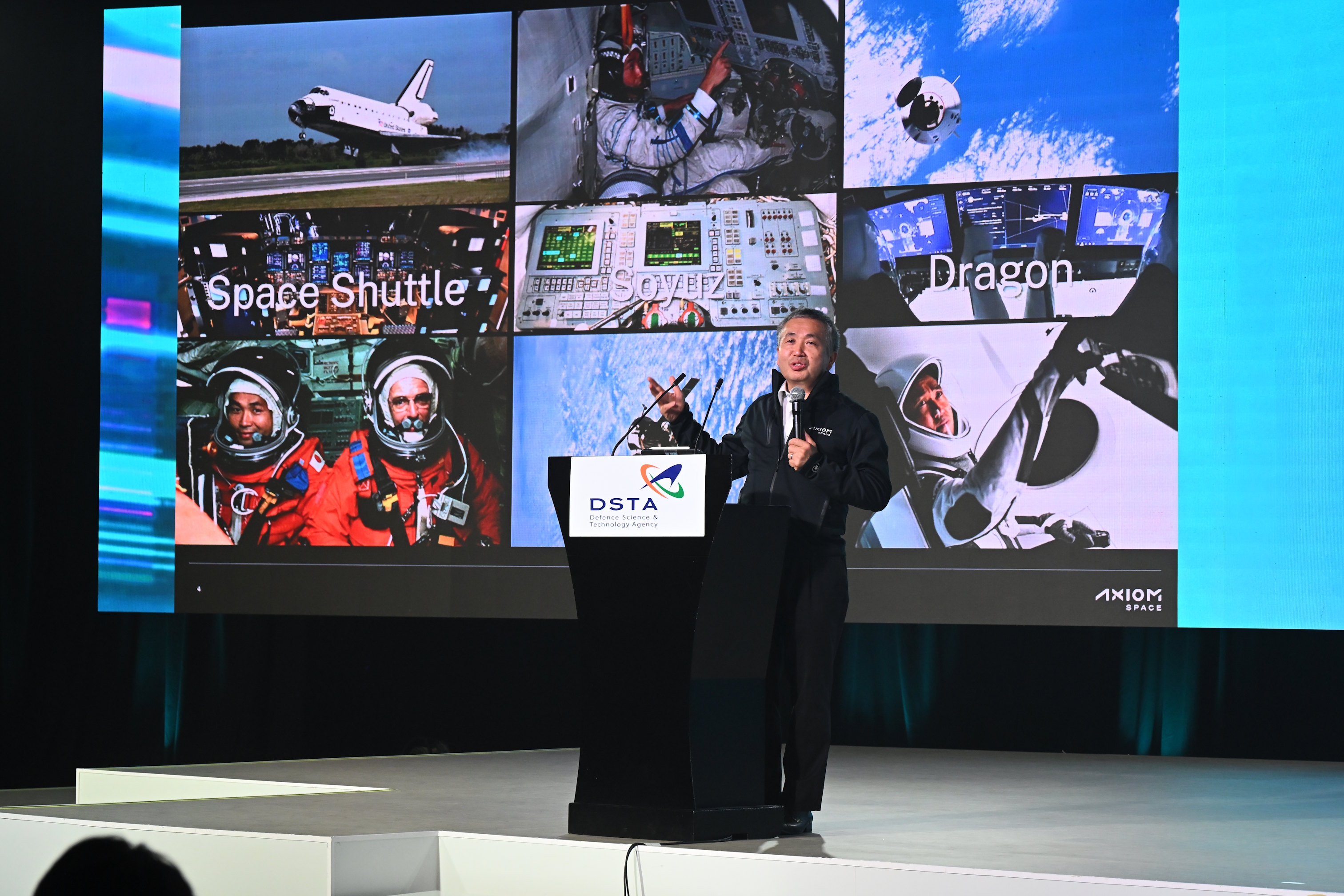
Some of the speakers included (from top to bottom) Dr Martin Andrews from Red Dragon AI Pte. Ltd., Dr Pang Liang Teck from ST Engineering, Samuel Lee from HOPE Technik, and Dr Koichi Wakata from Axiom Space.
Whether competing in cybersecurity and AI challenges, experimenting with extended reality and space technologies, or exploring innovations at the Tech Showcase, participants experienced first-hand how curiosity, creativity and technology can come together to solve meaningful problems.
As BrainHack continues to evolve, it remains a platform for young minds to explore emerging technologies, push the boundaries of what they know and discover what lies beyond the edge.
Gallery