
BACK
TO TOP
25 Oct 2025
At Exercise Wallaby 2025, DSTA engineers joined the Singapore Armed Forces (SAF) in Shoalwater Bay, Australia, to put emerging defence technologies through their paces in realistic field conditions.
Held from September to November, the large-scale exercise served as a proving ground to stress-test prototypes, gather feedback directly from operators, and refine systems in rapid cycles.
This year, DSTA trialled over 20 new technology applications across areas such as artificial intelligence, robotics and autonomy, next-generation connectivity, and counter-unmanned aerial systems. Beyond the technology itself, what stood out was the speed of adaptation – with engineers embedded alongside Army troops, diagnosing issues and iterating solutions within days.
This close ops-tech partnership shortens the path from concept to capability, bringing battlefield-ready innovations to the SAF faster than ever.
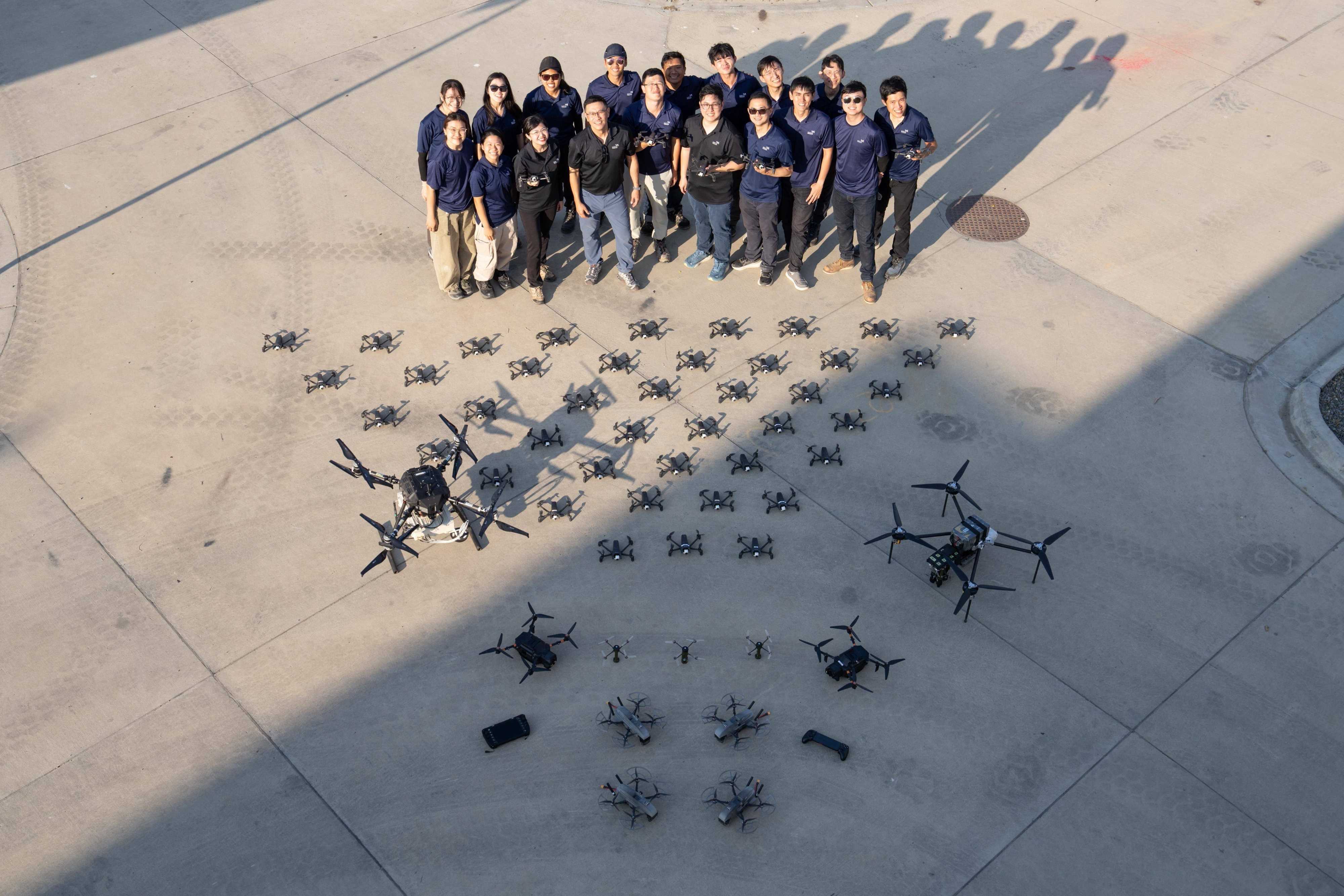
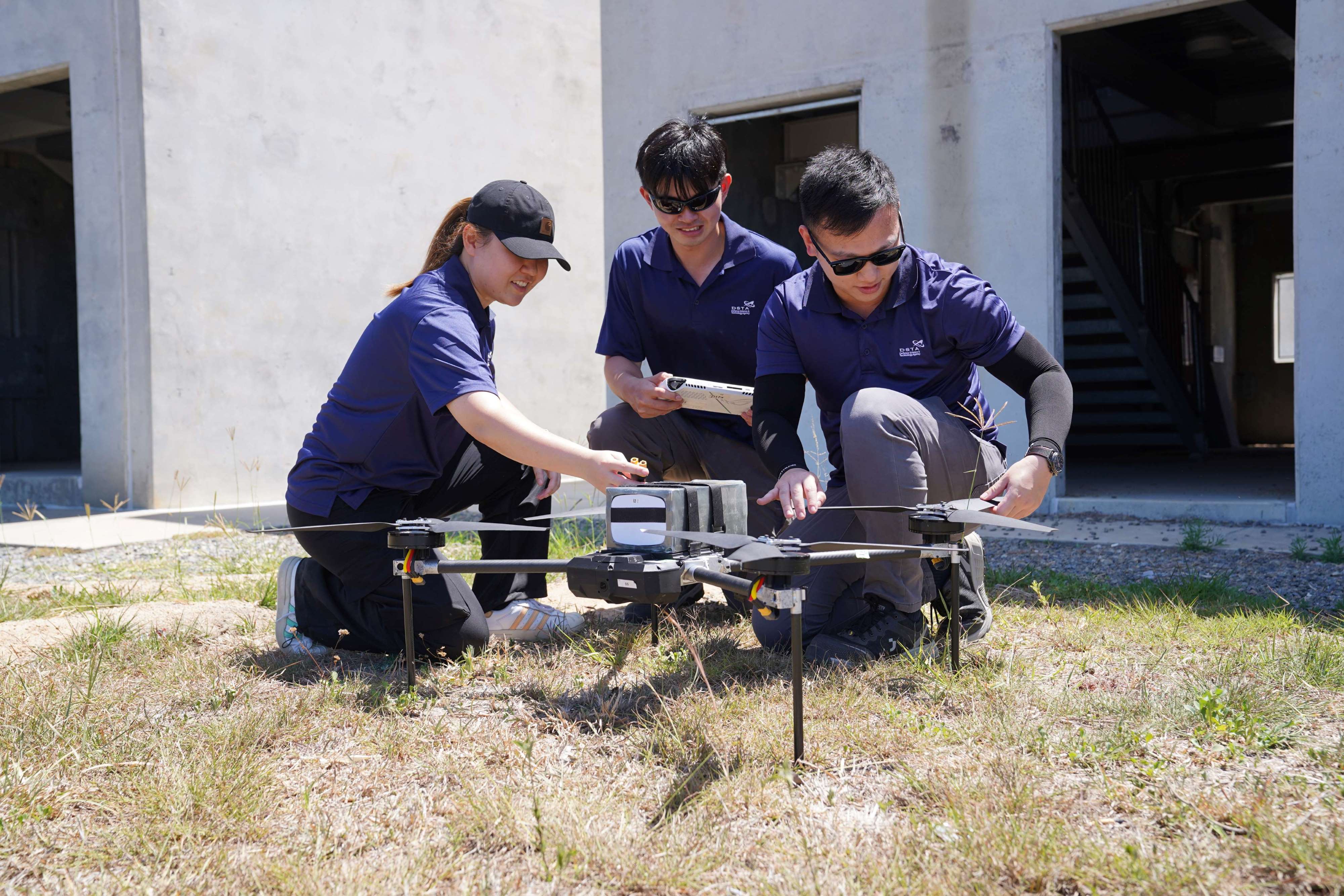
From a 50-drone swarm to a mothership drone that deploys smaller units mid-air, DSTA engineers tested advanced unmanned systems – several making their debut in an operational environment.
Among the systems deployed was the Low-Cost Unmanned Sense-Strike Technology (LOCUST), which allows a single operator to control a formation of drones for autonomous intelligence, surveillance and reconnaissance missions.
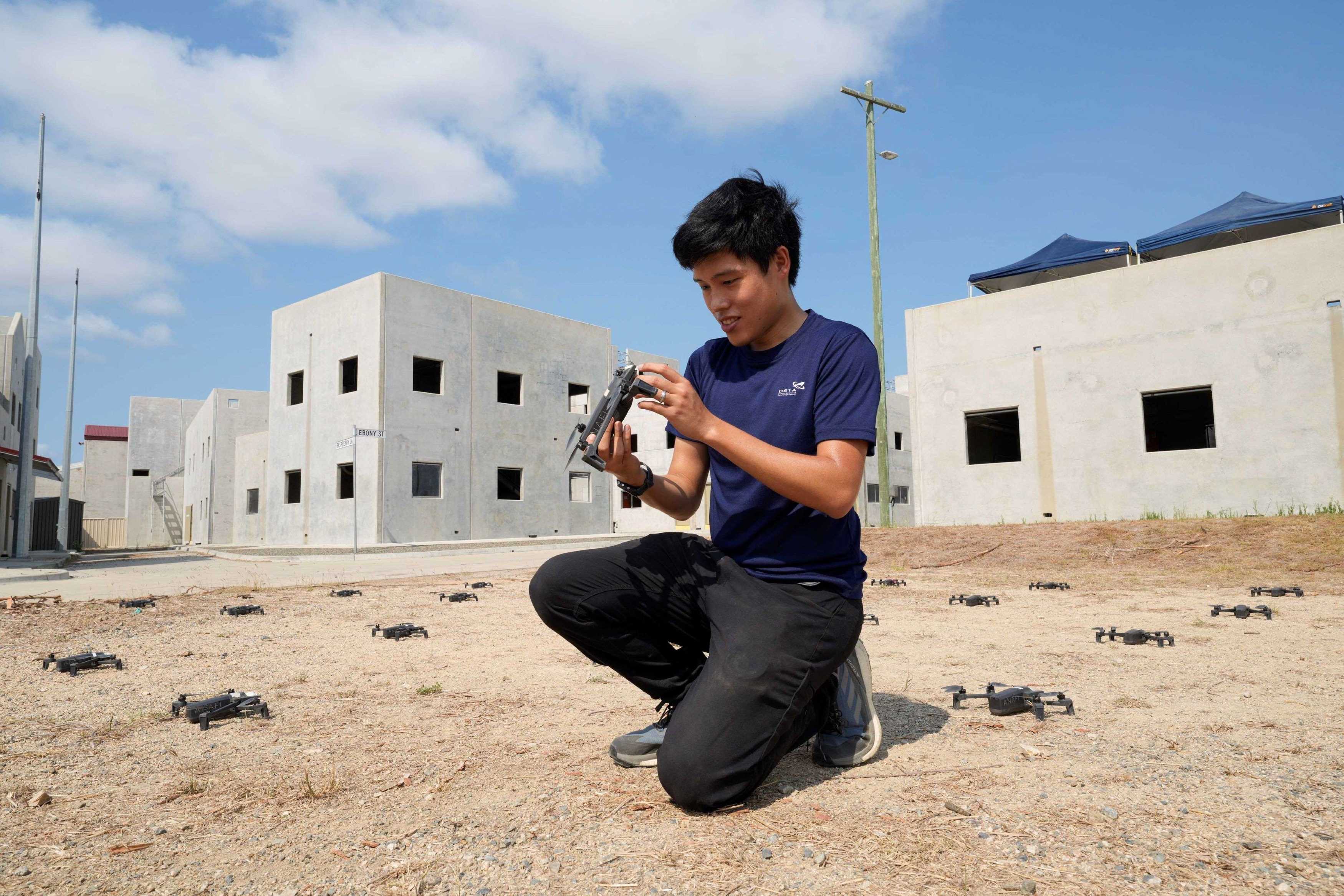
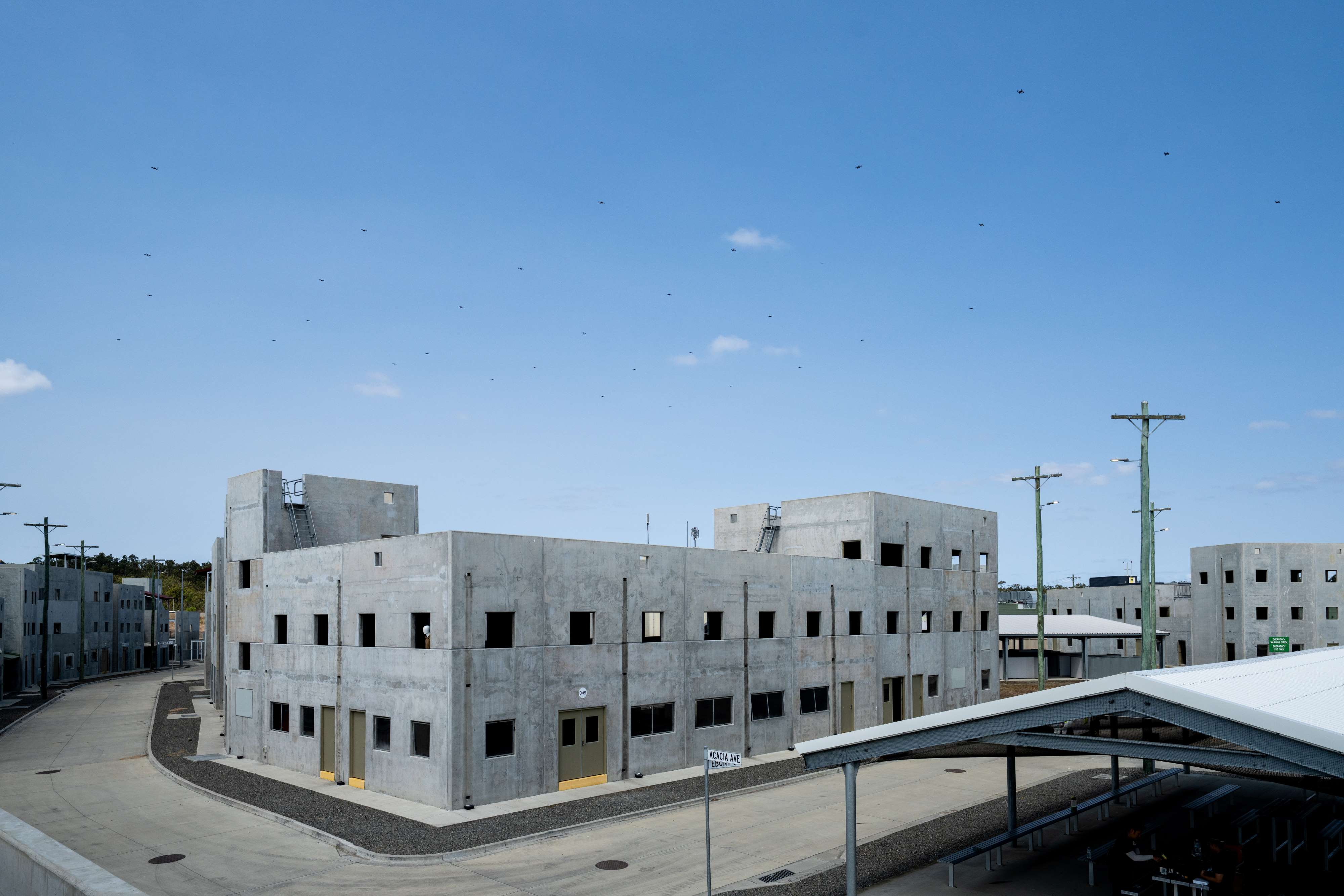
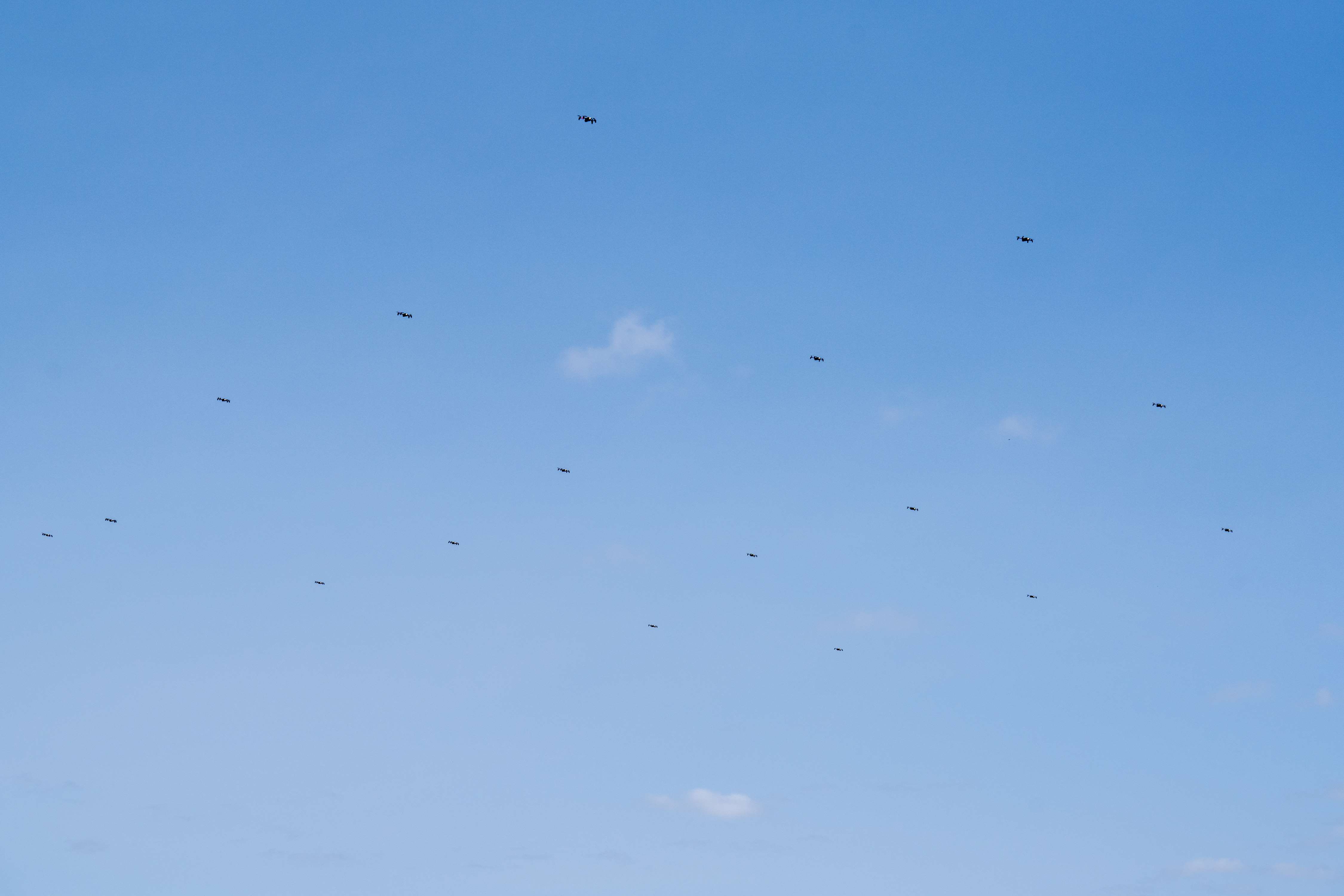
The data collected by the drones is processed through the Tactical 3D Mapping Analysis Platform (TACMAP), which automatically stitches thousands of aerial images into a unified 3D map of the battlespace. The result: faster planning, clearer situational awareness, and more informed decisions in the field.
This year’s trials saw TACMAP capture and render an area 25 times larger than before – in just an hour.
For the first time, DSTA also trialled a mothership drone, which demonstrated how a larger platform can launch and coordinate smaller drones mid-flight, extending range and coverage.
Integrated with DSTA’s Robotics Command, Control and Communication (C3) system, it enables multiple unmanned assets to operate as one single, networked force.
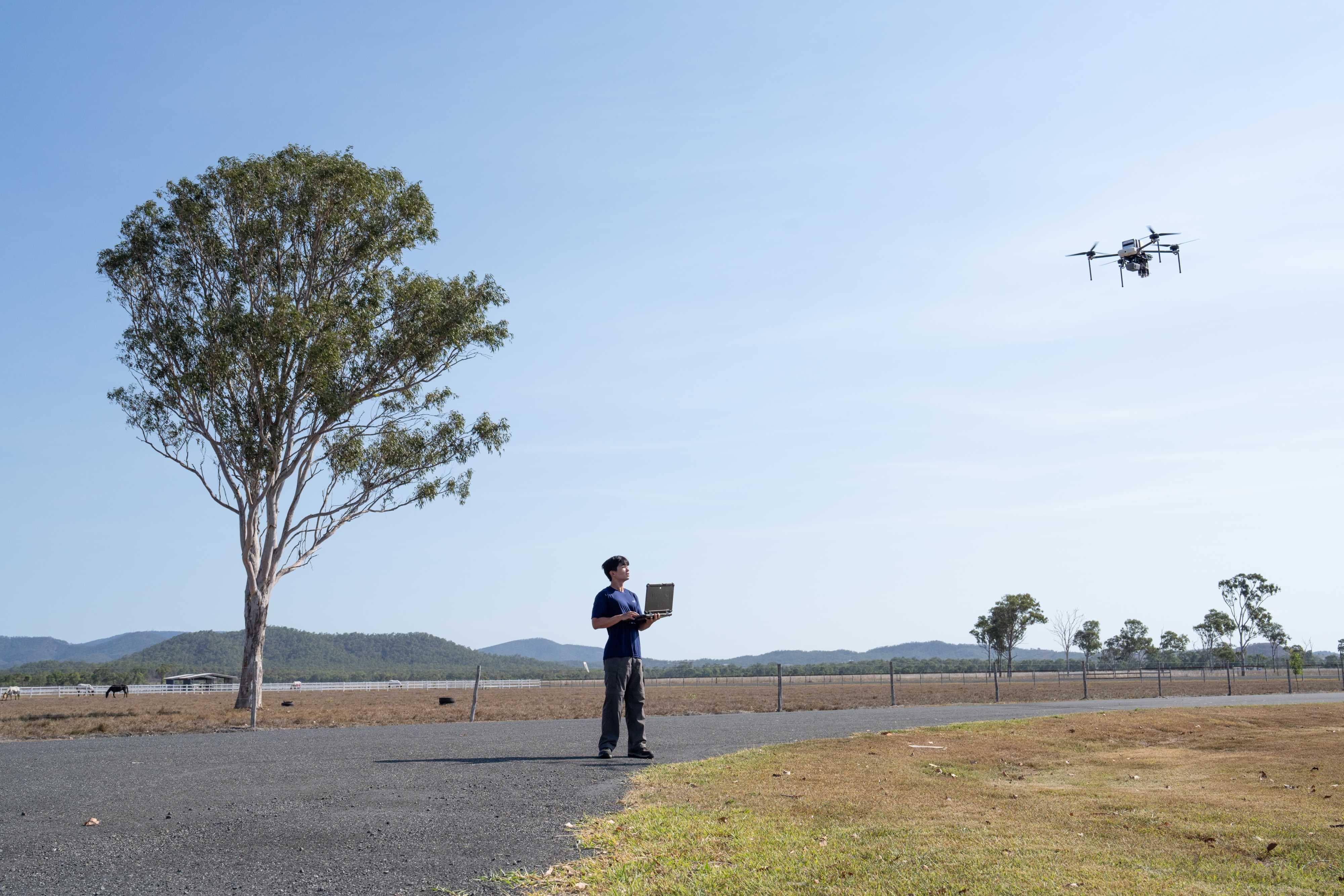
Reliable connectivity underpins all of these capabilities. To ensure secure, high-speed links even in remote terrain, DSTA deployed 5G drones that act as flying communications hubs – creating temporary “pop-up” networks wherever the Army operates.
These airborne nodes enable live video feeds, sensor data and mission updates to flow seamlessly between soldiers, drones and command posts, ensuring uninterrupted coordination across the battlespace.
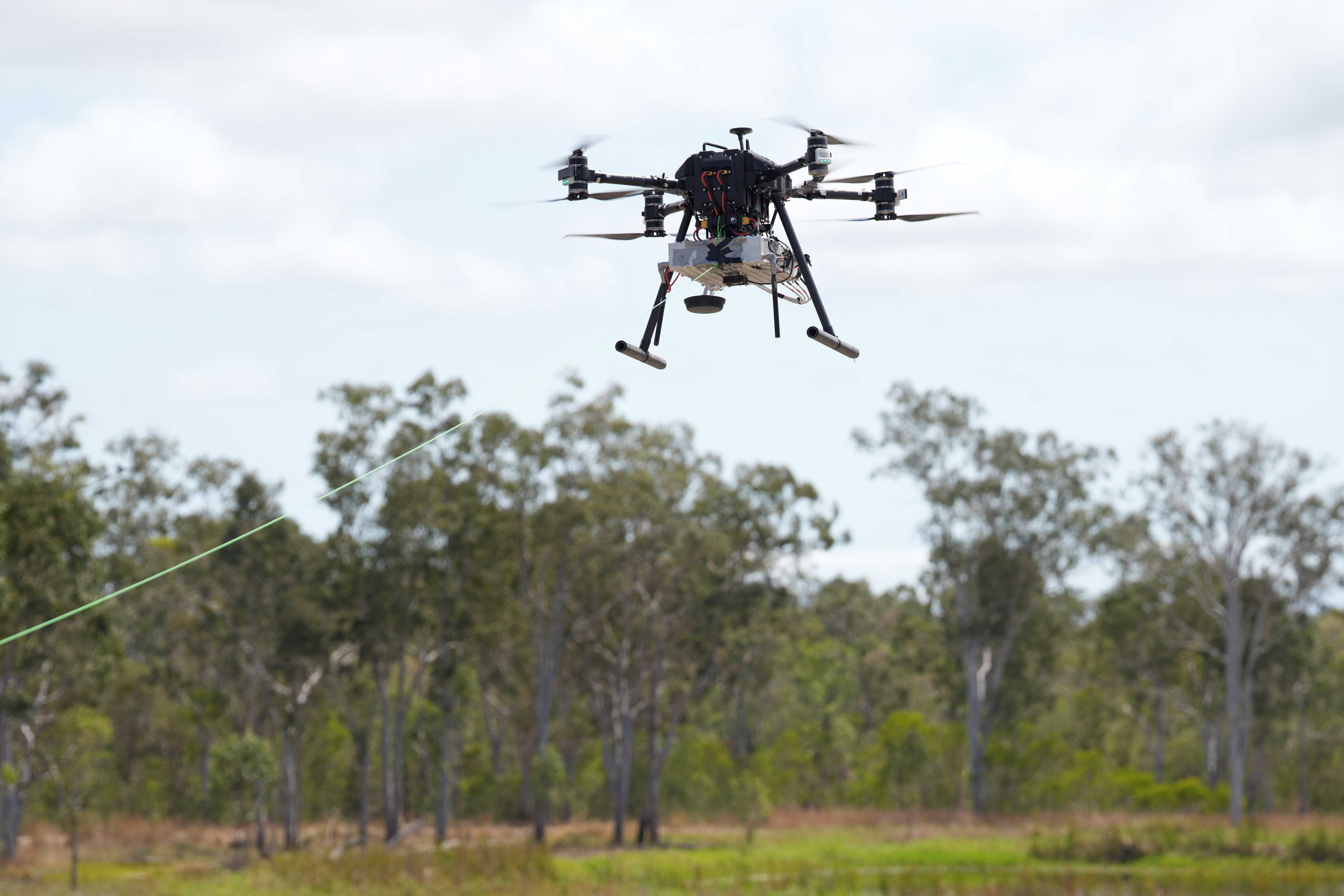
DSTA’s 5G drones extend secure, high-bandwidth communications to the frontlines – turning the sky into a dynamic network hub.
The V15 mini-UAV was also featured as part of the Army’s growing family of unmanned platforms. Compact yet versatile, it combines vertical take-off agility with the speed and endurance of a fixed-wing aircraft – a design well-suited for reconnaissance missions in tight or varied operating environments.
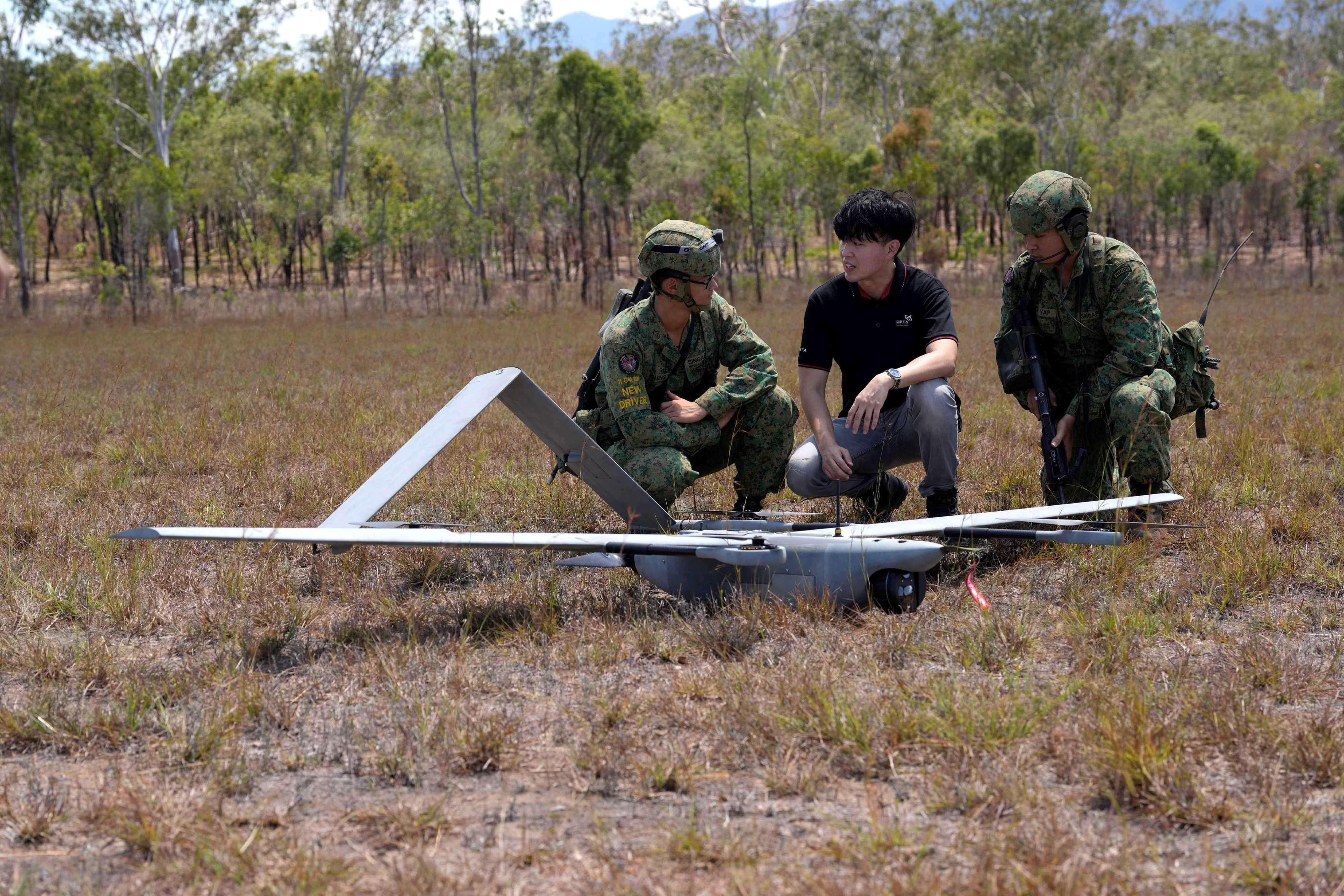
Exercise Wallaby’s expansive terrain showcases how systems like the V15 could operate in wide-area surveillance missions.
For DSTA engineers, exercises like Wallaby go far beyond validation. They are living laboratories where ideas meet reality – where user needs, field constraints, and technological possibilities converge.
As engineer Thio Zheng Yang shared, “Being on the ground always reveals the gaps in theory. You see right away what works, what doesn’t, and what needs to change – that feedback loop is invaluable in shaping the next generation of technology.”
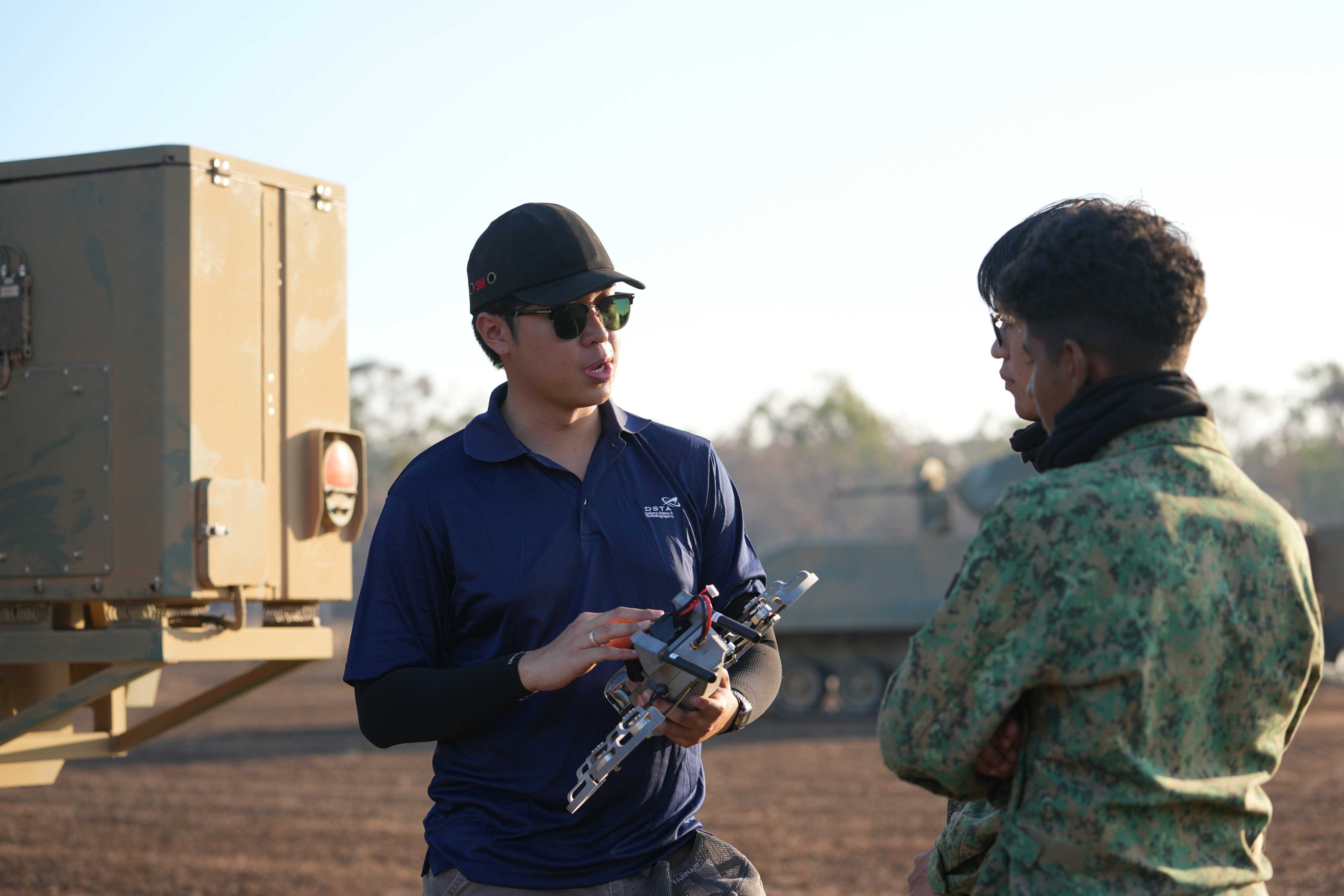
Zheng Yang exchanging insights with Army counterparts – turning field experience into sharper, mission-ready technology.
Through these trials, DSTA continues to push the boundaries of defence innovation, translating ideas into operational advantage and ensuring the SAF remains agile, connected, and future-ready.